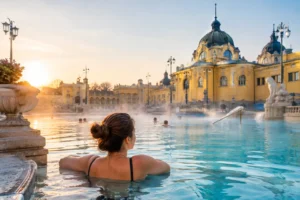

















A Turkish hammam etiquette guide begins with one reassuring fact: you do not need to know a complicated ritual before you arrive. Follow the attendant’s instructions, protect your comfort and privacy, and treat the hammam as a shared bathing space rather than a spa where you set the rules.
> Essentials > Allow: 60 to 90 minutes for a self-guided wash and heat session; 90 to 120 minutes if you book a scrub and foam wash. > Closed days: There is no citywide hammam closing day. Each bathhouse sets its own hours, and some historic venues close for restoration, private events, or religious holidays. Confirm your chosen hammam’s schedule before walking over. > Dress code: Bring or accept a pestemal, the traditional thin cotton wrap. Swimwear rules differ by venue, so ask before booking if you prefer to keep it on. > Getting there: Many historic hammams are within a 5 to 12-minute walk of the T1 tram’s Sultanahmet stop. > Book ahead: Reserve in advance for a timed treatment, couples traveling together, weekend afternoons, or a specific female or male attendant.
Hammam Customs in Istanbul 2026
A hammam is a bathhouse built around heat, water, washing, and rest. The traditional sequence is simple: change, warm up, rinse, receive a scrub if you booked one, wash with foam, rinse again, and relax. Not every hammam follows the sequence identically, and modern venues may offer massage or skincare add-ons. Those extras are optional, not a requirement of the experience.
Historic baths may have separate areas or separate time slots for women and men. Others have attendants of the same gender in separate sections. Do not assume a beautiful, centuries-old building means mixed-gender bathing or that a couple can enter together. Ask directly when reserving: “Are the bathing areas separate?” and “Can we book at the same time?” Clear questions prevent an awkward arrival.
The central heated room can feel intense, especially after a day walking Sultanahmet’s hills and stone courtyards. Start with 10 to 15 minutes, then step out if you feel lightheaded, overheated, or unwell. Pregnant travelers and anyone with a heart condition, unstable blood pressure, or a medical concern should seek medical advice before using high heat. A hammam should feel restorative, not like something to endure.
Clothing and Privacy
Your changing area may be a private cabin, a curtained space, or a shared changing room with lockers. Keep valuables to a minimum. A hotel key, phone, bank cards, and passport are better left in your hotel safe when practical; take only what you need for payment and the journey back.
The pestemal is the standard wrap. At many traditional hammams, guests wear it in the bathing rooms, though the precise level of coverage differs by gender, venue, and personal preference. Some hammams allow swimwear, while others discourage it because it changes the traditional washing process. There is no need to guess. Ask the reception desk before you undress, and choose a venue whose policy works for you.
Nudity is not an invitation to stare, photograph, or make conversation that would feel intrusive elsewhere. Keep your eyes and phone to yourself. Photography and video are generally inappropriate in changing and bathing areas, even when no sign is visible. If you want a picture of the architecture, ask staff whether there is a permitted public area.
You may be offered disposable underwear or asked whether you would like one. Accepting it is fine; declining can also be fine where the venue permits it. The right choice is the one that meets the hammam’s rules and leaves you comfortable.
The Washing Ritual
Before entering the main room, take a quick shower if one is available. This is basic shared-space courtesy, especially before using hot marble platforms, bowls, and taps. Wear your sandals in wet areas if the hammam provides them or if you brought clean, non-slip ones. Marble gets slippery.
Once inside, speak quietly. A traditional hammam is social, but it is not a bar or a pool party. People may be resting, washing, praying privately, or simply enjoying silence. A soft conversation with your travel companion is usually fine; speakerphone calls and music are not.
If you booked a kese scrub, an attendant will usually guide you to the warm marble platform. The exfoliation can be firmer than a typical spa scrub. Tell the attendant early if you have sensitive skin, sunburn, a fresh shave, eczema, a recent tattoo, or an area you do not want touched. “Gentle, please” is useful English, and staff at visitor-oriented hammams are accustomed to communicating with international guests.
The foam wash is often the part first-time visitors remember: warm water and a large cloud of soap bubbles, followed by rinsing. It is hands-on but professional. If anything feels unclear or too intense, say so immediately. You are allowed to set boundaries, decline an add-on, or end a treatment.
Do not use the communal bowls as personal storage, and do not block taps or basins while others wait. Rinse away soap after washing and leave the marble space as you found it. Small gestures matter in a bathhouse designed for shared use.
Attendants, Treatments, and Tipping
At reception, confirm exactly what your booking includes before changing. The words “hammam experience” can mean only entry and access to the hot rooms, or it can include a scrub, foam wash, towel service, and rest area. Ask whether the treatment duration includes changing time, whether towels are supplied, and whether there is an additional service charge. This is not being difficult. It is the easiest way to avoid assumptions.
A same-gender attendant is customary in traditional settings. If you have a strong preference about the attendant’s gender, communicate it while booking rather than after the treatment starts. Availability can depend on staffing and the section you use.
Tipping is customary when you have received hands-on service and feel the service was good, but it should never be pressured. Keep some cash available because individual attendants may not be able to accept a card tip. If staff present a suggested amount, you can politely choose what feels appropriate. Do not let an uncomfortable sales conversation spoil a good visit.
Be cautious if someone approaches you on the street claiming a nearby hammam is closed, offering a “special private” alternative, or insisting that only their venue is authentic. Walk to the bathhouse you chose, check its own entrance and reception, and decide there. Istanbul is welcoming and easy to enjoy when you make bookings directly rather than through unsolicited street offers.
Timing and Practical Comfort
Late morning and early afternoon are often calmer than the period after sightseeing ends, though this depends on the hammam and season. Give yourself time afterward. You may feel sleepy, warm, and very relaxed, so avoid scheduling a rushed museum entry, a long uphill walk, or a major dinner reservation immediately afterward.
Drink water before and after your visit, but avoid arriving dehydrated after hours in the sun. Skip the hammam if you have had too much alcohol, feel feverish, or have an open wound. These are comfort and hygiene decisions, not a test of toughness.
For a first visit, a traditional hammam near Sultanahmet is convenient because you can reach it on foot from the Old City’s main sights. Convenience is not the only measure, though. Choose a place that clearly explains its gender arrangement, treatment steps, hygiene practices, and cancellation terms. A straightforward answer is usually a good sign.
Turkish Hammam Etiquette Guide: Common Mistakes
The most common mistake is treating the experience like a luxury spa package without reading what is included. The second is assuming partners can always bathe together. The third is staying silent when the heat or scrub is uncomfortable. A good hammam visit works best when you arrive with modest expectations, ask direct questions, and communicate your limits.
Another avoidable mistake is rushing. A hammam is not the place to squeeze into a 30-minute gap between the Blue Mosque and a tram departure. Leave enough time to change slowly, cool down, and enjoy the rest area. You will get more from the experience and feel better afterward.
Frequently asked questions
Do I need to be naked in a Turkish hammam?
No. A pestemal wrap is standard, and some hammams permit swimwear. Ask the specific venue about its policy before you book.
Can couples visit a hammam together?
Sometimes, but it depends on the bathhouse. Many traditional hammams have separate women’s and men’s sections or different hours.
Should I book a scrub and foam wash?
Yes, if you want the classic hands-on hammam experience. No, if you prefer to use the heated rooms and wash independently.
How long should a first hammam visit take?
About 90 minutes. Add time if you book extra treatments or want to relax afterward.
Can I use my phone inside?
No. Keep it in your locker or changing cabin, particularly in bathing and changing areas where privacy matters.
Is tipping expected at a hammam?
Yes, but only when you receive service and are happy with it. Keep it voluntary and never feel pressured into an amount you did not choose.
Localada’s free Istanbul audio guide puts this in one place: every stop with opening hours, closing days and time to allow, plus walking routes, scam-awareness tips and verified local picks, narrated in 15 languages. Tickets booked through Localada’s GetYourGuide links are 5% off.
Sources and official information
Opening hours, prices and rules change. These are the primary sources behind this guide; check them before you go.
- UNESCO World Heritage Centre: Historic Areas of Istanbul: World Heritage listing for the Sultanahmet area, Hagia Sophia, Topkapi Palace and the Blue Mosque.
- Istanbulkart (Istanbul Metropolitan Municipality): The official transport card used on Istanbul trams, metro, buses and ferries.
- UK Foreign Office travel advice: Turkey safety and security: Government guidance on crime, unofficial taxis and drink spiking in Turkey.
Questions answered in this article
Summarise this guide with AI: ChatGPT · Claude · Perplexity