
















Localada’s free London audio guide covers 21 stops: 11 sights, 3 places to eat, 2 shops and 5 experiences, narrated in 15 languages. Seeing all 11 sights takes roughly 15–21 hours of visiting time, before travel between them. 16 of the 21 stops come with a Localada perk, such as 5% off GetYourGuide tickets or a discount at a verified local restaurant or shop.
Opening hours, perks and visit times below come from the live Localada app and were last checked on 29 October 2026. Always confirm on the day: hours can change for holidays and prayer times.
London audio guide stops at a glance
| # | Stop | Type | Time to allow | Hours | Closed | Today | Nearest transport | Localada perk |
|---|---|---|---|---|---|---|---|---|
| 1 | Big Ben & the Houses of Parliament | Landmark | 20–30 min | Open 24 hours | — | — | Westminster station · 2 min walk | 5% OFF |
| 2 | Westminster Abbey | Abbey | 1.5–2 hours | 09:30–15:30 | Sunday | — | Westminster station · 4 min walk | 5% OFF |
| 3 | Buckingham Palace & the Changing of the Guard | Palace | 45–60 min | Open 24 hours | — | — | Green Park station · 7 min walk | 5% OFF |
| 4 | Thames River Cruise — Westminster to Tower Bridge | Cruise | 1–1.5 hours | 10:00–18:00 | — | — | Westminster station · 2 min walk | 5% OFF |
| 5 | The London Eye | Observation wheel | 1–1.5 hours | 11:00–18:00 | — | — | Waterloo station · 5 min walk | 5% OFF |
| 6 | Tate Modern | Museum | 1.5–2 hours | 10:00–18:00 | — | — | Southwark station · 8 min walk | 5% OFF |
| 7 | Borough Market | Market | 45–90 min | 10:00–17:00 | Monday | — | London Bridge station · 2 min walk | 5% OFF |
| 8 | The View from The Shard | Viewpoint | 1–1.5 hours | 11:00–20:00 | Tuesday | — | London Bridge station · 2 min walk | 5% OFF |
| 9 | Padella | Restaurant | — | 11:30–22:00 | — | — | London Bridge station · 3 min walk | — |
| 10 | The Tower of London | Castle | 2–3 hours | 09:00–17:30 | — | — | Tower Hill station · 5 min walk | 5% OFF |
| 11 | Tower Bridge | Bridge | 1–1.5 hours | 09:30–18:00 | — | — | Tower Hill station · 7 min walk | 5% OFF |
| 12 | St Paul's Cathedral | Cathedral | 1.5–2 hours | 08:30–16:30 | Sunday | — | St Paul's station · 2 min walk | 5% OFF |
| 13 | Byward Kitchen and Bar | Restaurant | — | 09:00–16:00 | — | — | Tower Hill station · 3 min walk | — |
| 14 | The British Museum | Museum | 2–3 hours | 10:00–17:00 | — | — | Tottenham Court Road station · 5 min walk | 5% OFF |
| 15 | Trafalgar Square & the National Gallery | Square | 1.5–2 hours | 10:00–18:00 | — | — | Charing Cross station · 2 min walk | 5% OFF |
| 16 | Gordon's Wine Bar | Wine bar | — | 11:00–23:00 | — | — | Embankment station · 2 min walk | — |
| 17 | Stanfords | Store | — | 09:00–19:00 | — | — | Covent Garden station · 3 min walk | — |
| 18 | English Scone Making & Tea Workshop | Workshop | 1 hour | 10:00–18:00 | — | — | Leicester Square station · 3 min walk | 5% OFF |
| 19 | Natural History Museum | Museum | 2–2.5 hours | 10:00–17:50 | — | — | South Kensington station · 5 min walk | 5% OFF |
| 20 | Royal Albert Hall Guided Tour | Concert hall | 1 hour | 09:00–16:30 | — | — | South Kensington station · 10 min walk | 5% OFF |
| 21 | Harrods | Store | — | 10:00–21:00 | — | — | Knightsbridge station · 3 min walk | — |
How much time do you need in London?
- Highlights only (about 5.5–8 hours): The Tower of London, Westminster Abbey and The British Museum.
- Every sight in the guide (about 15–21 hours): all 11 sights in route order; split across 3 days at a comfortable pace.
- Add food, shopping and experiences: 10 more stops, from verified restaurants to workshops and shows, listed below.
Sights in the London audio guide
Big Ben & the Houses of Parliament
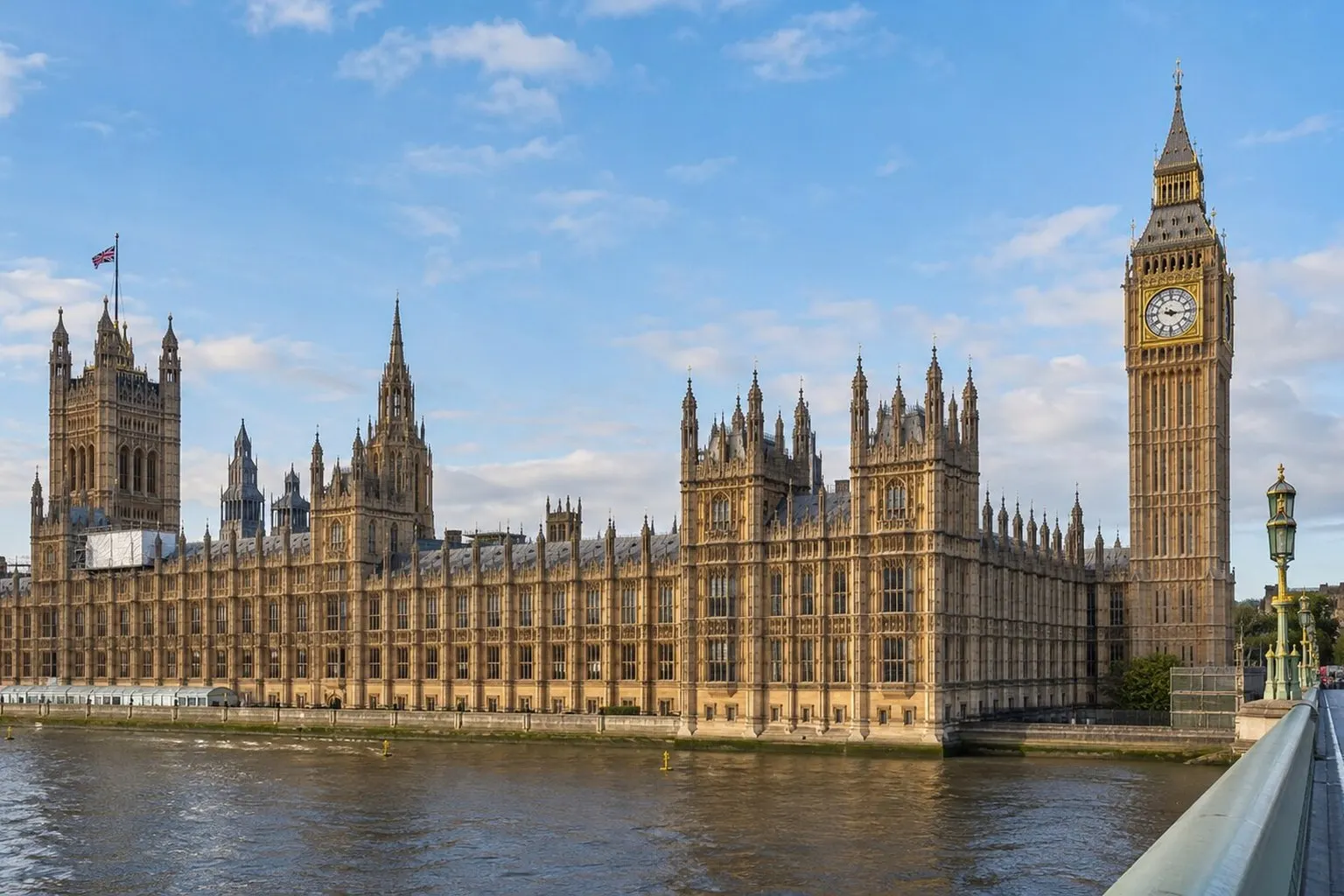
Big Ben is a bell. It has always been a bell.
The tower is the Elizabeth Tower, renamed in 2012 for the Queen's Diamond Jubilee. Before that it was simply the Clock Tower. The bell inside — thirteen and a half tonnes of it — is Big Ben, cast in Whitechapel in 1858 after the first one cracked during testing.
The second one cracked too. You can still hear it. That slightly sour note in the chime comes from a crack that opened in 1859 and was never repaired. They turned the bell a quarter turn, fitted a lighter hammer, and left it.
The building behind it is younger than it looks. Fire destroyed the medieval Palace of Westminster in 1834, and Charles Barry and Augustus Pugin rebuilt it in deliberate Gothic — a Victorian idea of what a thousand-year-old parliament ought to look like. Only Westminster Hall, on the far side, survived. It has stood since 1097.
- Time to allow: 20–30 min
- Hours: Open 24 hours
- Address: Parliament Square, Westminster, London SW1A 0AA
- Nearest transport: Westminster station · 2 min walk (Circle,District,Jubilee)
- Localada perk: 5% OFF
- Free to see from the street — no ticket needed
- Tower tours are booked through Parliament, never on the day
- Tour tickets release on the second Wednesday of each month
- Chimes on the hour, quarter bells every fifteen minutes
Local tips
- Westminster Bridge gives the classic view — stand in the middle, not at the ends
- Come after dark: the clock faces are lit and the crowds thin out
- The tower tour is 334 steps with no lift and a minimum age of 11 — book weeks ahead
- Westminster Hall, the oldest surviving part, is included on tours
- Wait on the hour to hear the four quarter bells before Big Ben strikes
Westminster Abbey
Full Westminster Abbey audio guide →
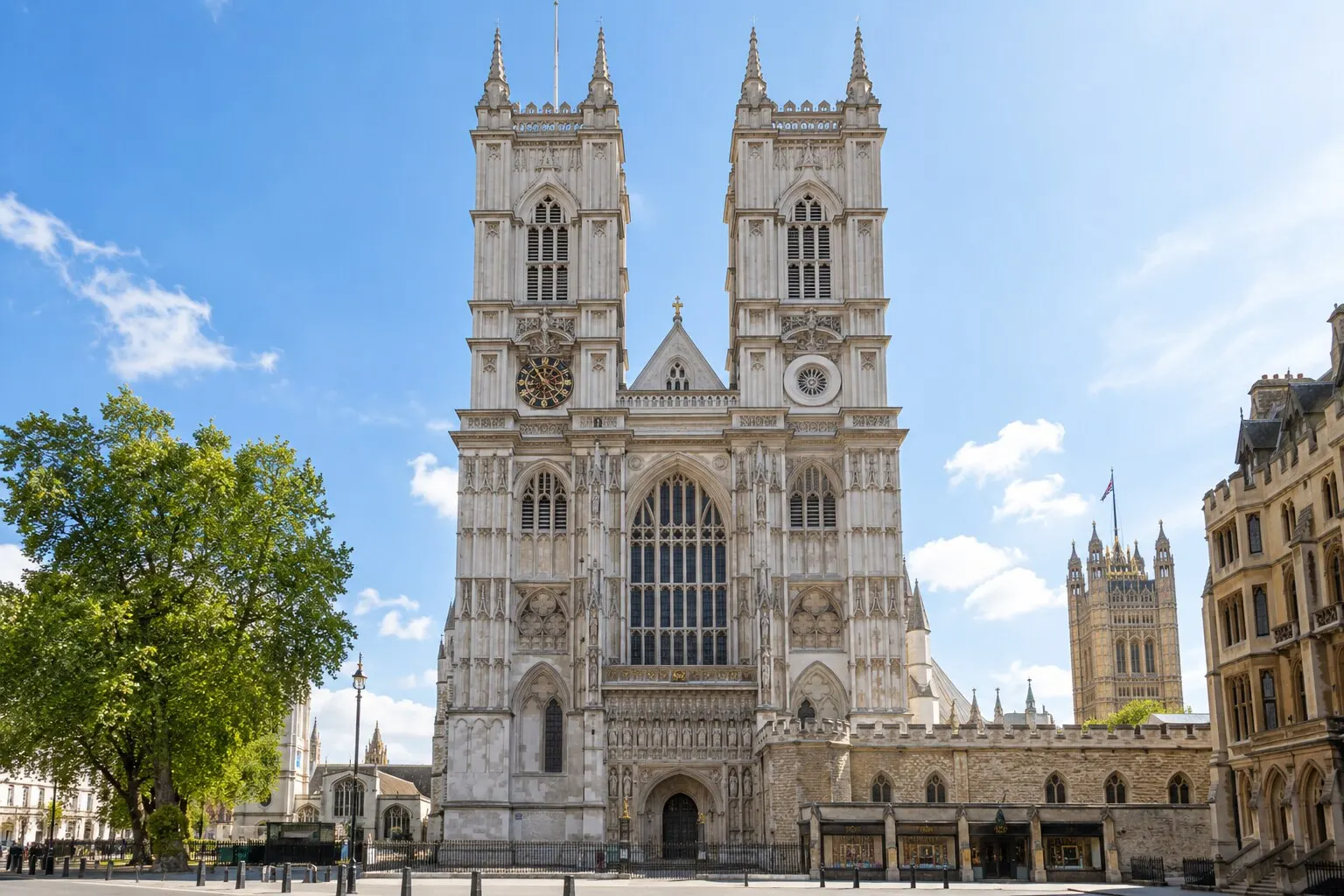
Thirty-nine coronations. Sixteen royal weddings. Three thousand three hundred burials.
Since 1066 every English and British monarch has been crowned in this building, in the same wooden chair, above the same slab of Scottish sandstone. Charles III sat in it in May 2023. Edward I had it made in 1300.
The Abbey is not a cathedral and never has been. It is a Royal Peculiar — answerable to the Crown, not to a bishop. That technicality is why it survived Henry VIII while the monasteries around it were pulled apart.
You will be walking on people. The floor is a map of the dead: Newton, Darwin, Dickens, Handel, Hawking, and Chaucer — buried here for being a civil servant rather than a poet, and accidentally starting Poets' Corner.
- Time to allow: 1.5–2 hours
- Hours: 09:30–15:30 (closed Sunday)
- Address: 20 Deans Yard, Westminster, London SW1P 3PA
- Nearest transport: Westminster station · 4 min walk (Circle,District,Jubilee)
- Localada perk: 5% OFF – Skip-the-line entry & audio guide — book below
- Closed to sightseeing on Sundays — services only
- Saturday visiting ends earlier than weekdays
- Photography is allowed, but not during services
- A working church: visits pause for prayer
Local tips
- Book a timed ticket — the door queue is the longest in Westminster
- Find the Cosmati pavement in front of the High Altar before the crowd reaches it
- Poets’ Corner is in the south transept and easy to walk straight past
- The Cloisters are quieter than the nave and included in your ticket
- The Unknown Warrior’s stone is the one patch of floor nobody may step on
Buckingham Palace & the Changing of the Guard
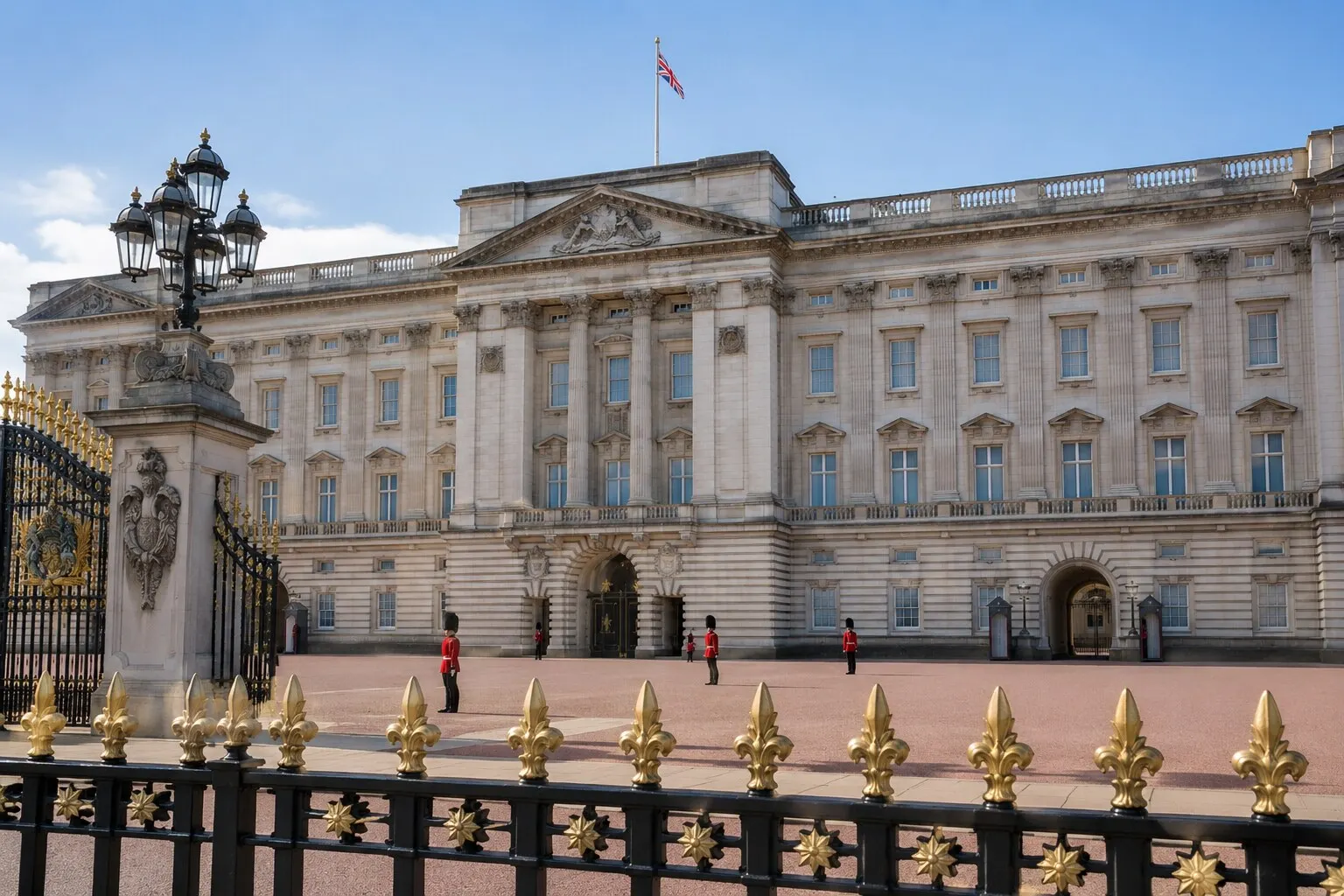
Look at the flagpole before you look at anything else.
If the Union Flag is flying, the King is out. If the Royal Standard is flying — red, gold and blue, quartered with lions and a harp — he is inside. It is the oldest live status update in London, and it has been running since Victoria moved in.
She was the first monarch to live here, in 1837. Before that it was Buckingham House, a private mansion George III bought for his wife because she wanted somewhere quieter than St James's. Every king since has enlarged it. There are now 775 rooms and a garden of nineteen acres with its own lake.
The forecourt ceremony is the part you can see for free. Soldiers of the Household Division hand over guard duty with a regimental band, and the music is rarely what you expect — the band plays film themes and pop as often as marches.
- Time to allow: 45–60 min
- Hours: Open 24 hours
- Address: Buckingham Palace, Westminster, London SW1A 1AA
- Nearest transport: Green Park station · 7 min walk (Jubilee,Piccadilly,Victoria)
- Localada perk: 5% OFF
- The forecourt and ceremony are free — no ticket needed
- Changing of the Guard: Monday, Wednesday and Friday at 11:00
- Cancelled in heavy rain, sometimes at short notice
- State Rooms open only in late summer; closed the rest of the year
Local tips
- Stand on the steps of the Victoria Memorial — higher ground, thinner crowd
- Be in place by 10:30; the soldiers start assembling well before 11:00
- The whole handover runs about 45 minutes, not five
- Check the flagpole: Royal Standard means the King is in residence
- Walk out through Green Park afterwards rather than back down The Mall
The London Eye
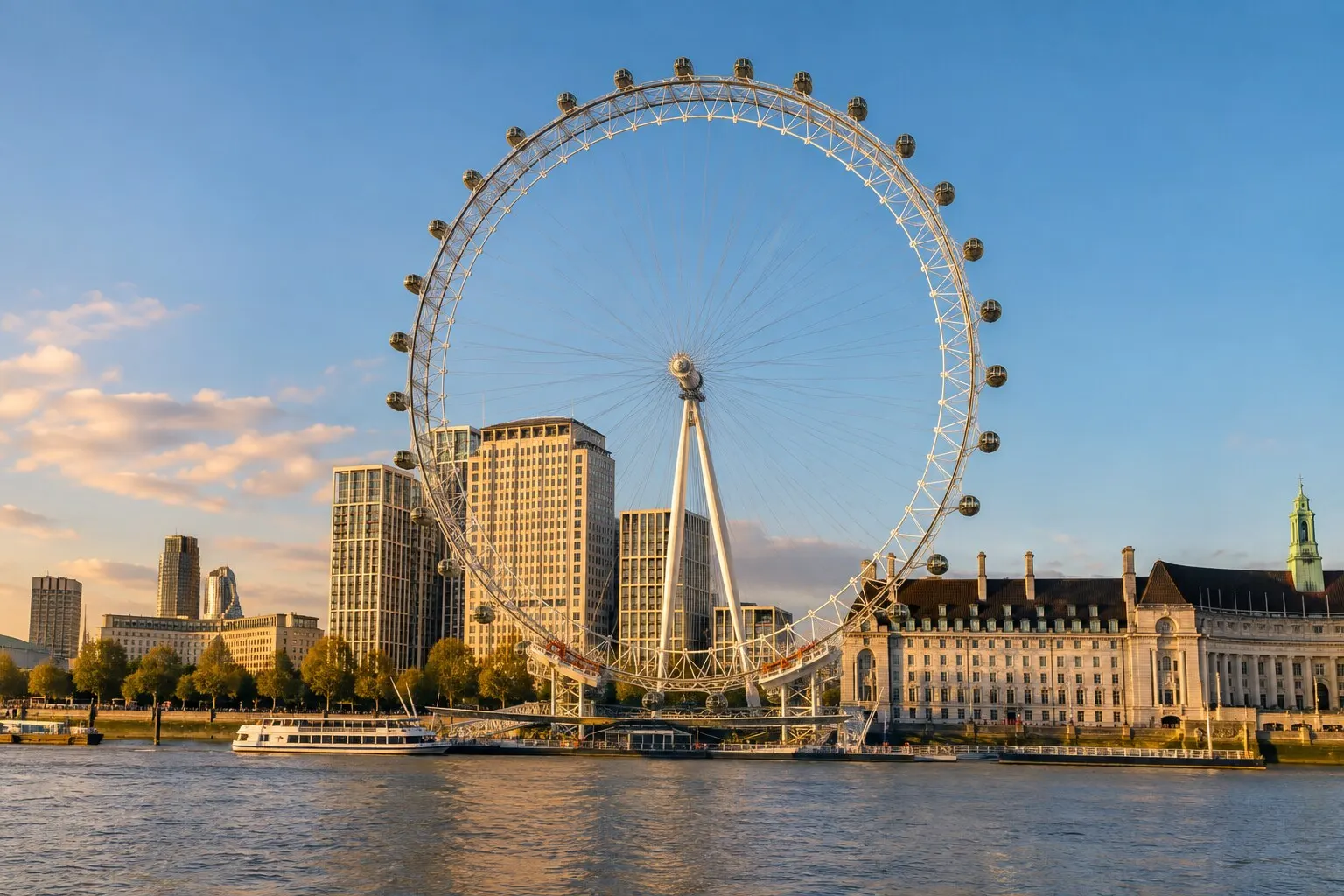
It was supposed to come down in 2005.
The London Eye went up for the millennium as a temporary structure with five years of planning permission. Nobody expected a wheel to become the most visited paid attraction in the country. In 2002 the permission was made permanent.
It is not really a Ferris wheel. The capsules sit on the outside of the rim rather than hanging beneath it, driven by motors that keep them level — which is why you can walk around inside one instead of sitting strapped to a bench.
It turns slowly enough that it never stops to load: about 26 centimetres a second, a quarter of walking pace. One rotation takes thirty minutes.
The whole thing was assembled flat, floating on barges in the river, then lifted upright in a single piece. The first attempt failed and it hung at 45 degrees for a week while the engineers worked out what to do.
- Time to allow: 1–1.5 hours
- Hours: 11:00–18:00 (open daily)
- Address: Riverside Building, County Hall, London SE1 7PB
- Nearest transport: Waterloo station · 5 min walk (Bakerloo,Jubilee,Northern)
- Localada perk: 5% OFF – Timed-entry ticket with fast-track option — book below
- Timed tickets only — you cannot join a queue without a slot
- One rotation is 30 minutes; allow an hour with security
- Closed for annual maintenance for most of January
- Capsules are step-free and fully accessible
Local tips
- Book the last slot before sunset — daylight up, lights down
- Stand at the back of the capsule as it rises, then move as it turns
- Weekday mornings have the shortest queues by a wide margin
- The photo everyone wants is of the Eye, not from it — take it from Westminster Bridge
- Security screening is airport-style, so travel light
Tate Modern

This was a power station, and not a very successful one.
Giles Gilbert Scott designed Bankside to burn oil, finished it in 1963, and watched the oil crisis make it uneconomic within a decade. It closed in 1981 and stood empty for eighteen years. Scott also designed the red telephone box, which tells you something about how seriously Britain took its infrastructure.
The chimney is 99 metres — deliberately shorter than the dome of St Paul's directly across the river. You were not allowed to out-build Wren.
The Turbine Hall is the room people remember. Thirty-five metres high, the length of a football pitch, and kept deliberately empty. Artists are invited to fill it, and the results have included a crack running the length of the floor, a slide from the fifth storey, and a hundred million hand-painted porcelain sunflower seeds.
- Time to allow: 1.5–2 hours
- Hours: 10:00–18:00 (open daily)
- Address: Bankside, London SE1 9TG
- Nearest transport: Southwark station · 8 min walk (Circle,District,Jubilee)
- Localada perk: 5% OFF
- The collection is free — no ticket or booking needed
- Special exhibitions are ticketed separately
- Open later on Friday and Saturday evenings
- Last entry 30 minutes before closing
Local tips
- Level 10 of the Blavatnik Building has a free viewing terrace — go up first
- Cross the Millennium Bridge to St Paul’s; it is ten minutes on foot
- The Turbine Hall installation changes yearly and is always free
- Start at the top and work down — most people do the opposite
- Friday evening is the quietest time to see the collection
Borough Market

There has been a market here for roughly a thousand years, and for most of that time it was in the way.
Traders sold food on the southern approach to London Bridge because that was the only road into the city from the south. By 1754 the congestion was so bad that Parliament abolished the market outright. The people of Southwark raised six thousand pounds, bought a patch of land called The Triangle, and started it again the following year on ground they owned outright.
It has run that way ever since — by trustees, not by a company. That is why it still feels unlike anywhere else. There are almost no chains under the roof. Traders are selected by the market, and a stall can be refused for selling something another trader already does well.
- Time to allow: 45–90 min
- Hours: 10:00–17:00 (closed Monday)
- Address: 8 Southwark Street, London SE1 1TL
- Nearest transport: London Bridge station · 2 min walk (Jubilee,Northern)
- Localada perk: 5% OFF
- Closed on Mondays
- Full trading Tuesday to Saturday, shorter hours on Sunday
- Free to enter — pay only for what you buy
- Nearly every trader takes cards
Local tips
- Come before 11:00 or after 15:00 — midday is shoulder to shoulder
- Walk the whole market once before you buy anything
- Neal’s Yard Dairy on Park Street will let you taste before choosing
- Saturday is the biggest day and the hardest to move through
- Southwark Cathedral is next door and almost always quiet
The Tower of London
Full The Tower of London audio guide →

William the Conqueror did not build this to defend London. He built it to intimidate London.
The White Tower went up from 1078 in stone shipped from Normandy, deliberately taller than anything the city had, planted at the edge of a population that had just been conquered and might not stay that way. It worked. The Tower has never been taken by assault.
For most of its life it was not a prison. It was a palace, an armoury, a mint, a records office, an observatory, and until 1835 a zoo. There were lions in the moat, an elephant that was given wine because nobody knew what elephants drank, and a polar bear kept on a long chain so it could fish in the Thames.
- Time to allow: 2–3 hours
- Hours: 09:00–17:30 (open daily)
- Address: St Katharine's & Wapping, London EC3N 4AB
- Nearest transport: Tower Hill station · 5 min walk (Circle,District)
- Localada perk: 5% OFF – Skip-the-line entry with the Crown Jewels — book below
- Last entry 16:30 — the site is large, come early
- Free Yeoman Warder tours all day; the last leaves 15:15
- Cobbles and spiral stairs throughout, limited step-free access
- A gun salute at 13:00 closes part of the wharf
Local tips
- See the Crown Jewels first thing or in the last hour — midday is the peak
- Take a Yeoman Warder tour: it is included and it is the best hour here
- The ravens live on the green by the White Tower, and they do bite
- Walk the wall route for the river view most visitors miss
- Book online for a guaranteed slot; the gate queue moves slowly
St Paul's Cathedral
Full St Paul's Cathedral audio guide →

There have been five St Paul's on this hill. This is the fifth, and it exists because the fourth burned down in 1666.
Christopher Wren was thirty-three when the Great Fire cleared the site and he spent the next thirty-five years replacing it. The design was rejected twice. He got permission for a version with a spire, then quietly built a dome instead by exploiting a clause that let him make "ornamental variations" as work went on.
The dome is a trick. There are three of them. An inner dome you see from the floor, an outer one you see from the street, and hidden between them a brick cone that carries the 850-tonne stone lantern on top. Neither of the visible domes could hold it.
- Time to allow: 1.5–2 hours
- Hours: 08:30–16:30 (closed Sunday)
- Address: St Paul's Churchyard, London EC4M 8AD
- Nearest transport: St Paul's station · 2 min walk (Central,Circle,District)
- Localada perk: 5% OFF – Skip-the-line entry with dome access — book below
- Last sightseeing entry 16:00
- Closed to sightseeing on Sundays — services only
- Wednesday opening is later, from 10:00
- Dome galleries are stairs only: 257, 376 and 528 steps
Local tips
- Climb before you look around — the stairs close well before the cathedral does
- In the Whispering Gallery, face the wall and speak softly to be heard opposite
- The crypt is free of crowds and holds Wren, Nelson and Wellington
- Cross the Millennium Bridge to Tate Modern in ten minutes
- Attending Evensong is free and you sit in the choir stalls
The British Museum
Full The British Museum audio guide →
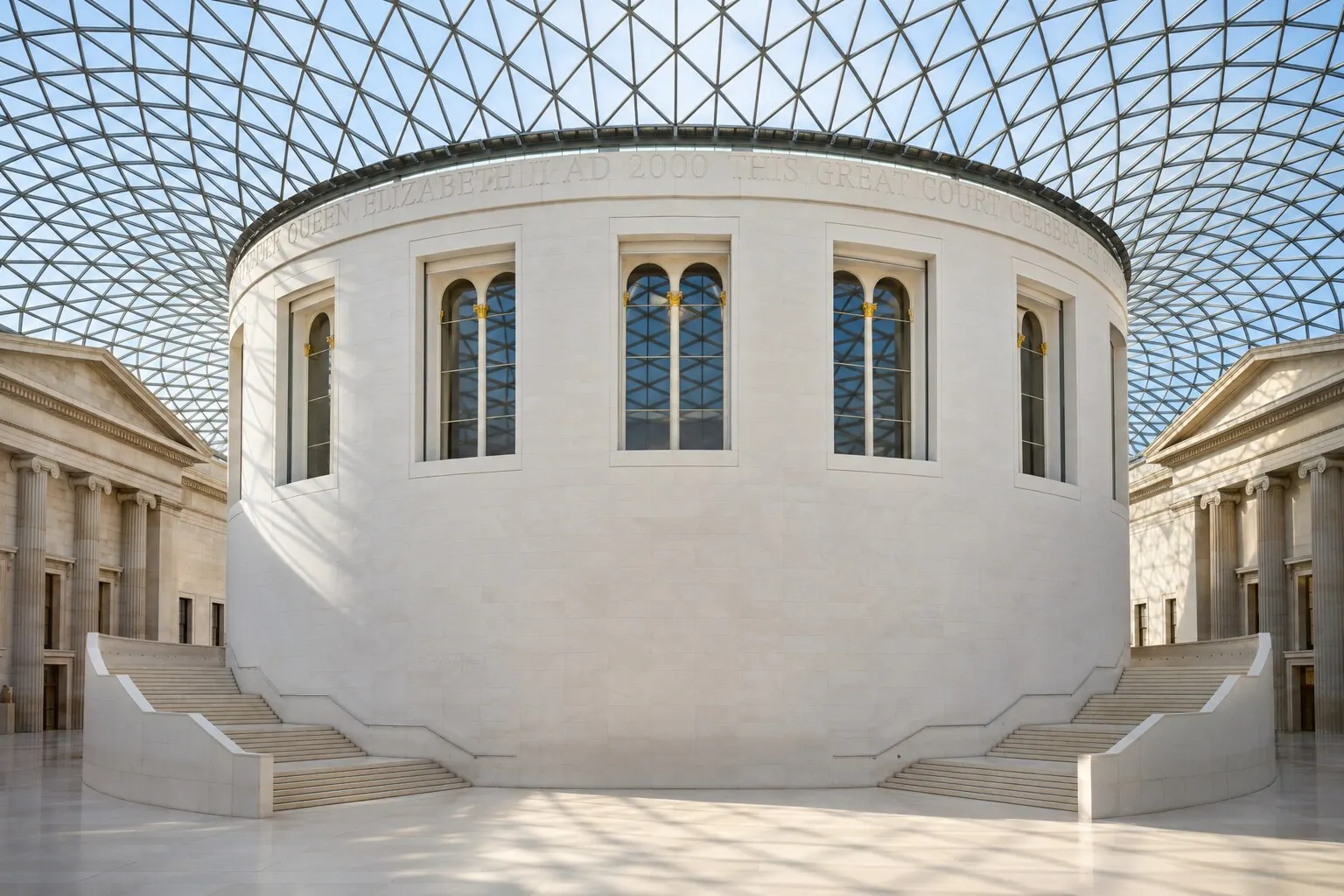
Hans Sloane was a physician who sailed to Jamaica in 1687, came home with plants, and then spent the rest of his life buying things. By the time he died in 1753 he owned seventy-one thousand objects.
He left them to the nation on one condition: that Parliament pay his daughters twenty thousand pounds. Parliament raised the money by running a lottery. Six years later the British Museum opened as the first national public museum anywhere in the world, free to anyone curious enough to come in.
It has been free ever since. Not discounted — free, every day, no ticket.
The Great Court you walk into is younger than almost everyone assumes. Until 2000 this was a courtyard filled with bookstacks and closed to the public for a century and a half. Norman Foster roofed it with 3,312 panes of glass, no two the same shape.
- Time to allow: 2–3 hours
- Hours: 10:00–17:00 (open daily)
- Address: Great Russell Street, London WC1B 3DG
- Nearest transport: Tottenham Court Road station · 5 min walk (Central,Elizabeth line,Northern)
- Localada perk: 5% OFF
- Free entry, no ticket needed
- Open late on Fridays until 20:30
- Galleries close on a rolling schedule for maintenance
- Last entry 45 minutes before closing
Local tips
- Choose three rooms instead of covering everything — the Rosetta Stone is room 4
- Enter from Montague Place at the back to avoid the main gate queue
- Friday evening is the calmest time inside the building
- Check the day’s gallery closures online before you set out
- The Great Court is free to walk through even if you skip the collection
Trafalgar Square & the National Gallery
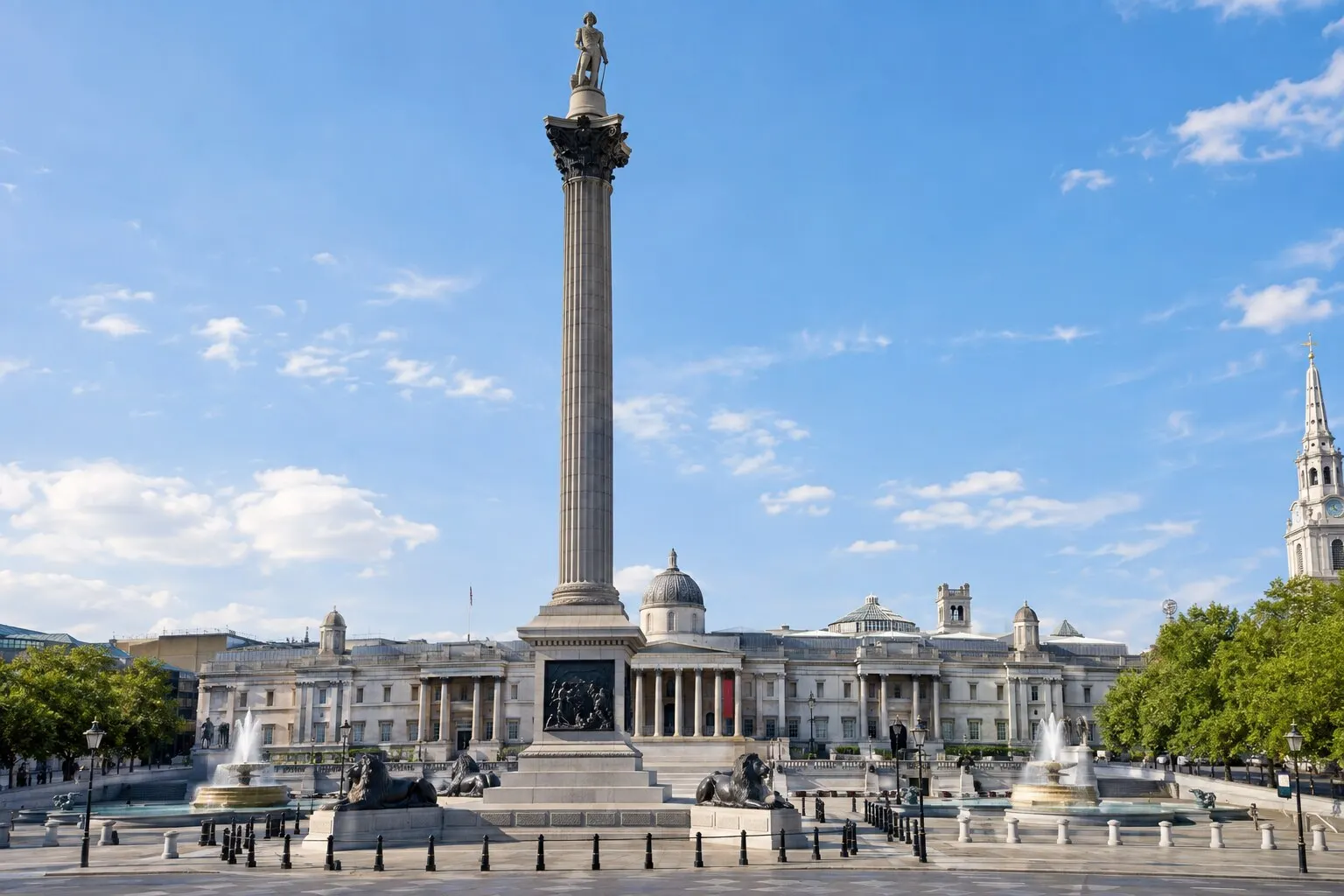
Four plinths were built around this square. Three were filled with generals and a king. The fourth ran out of money in 1841 and stood empty for a hundred and fifty years.
Nobody could agree what should go on it, so in 1998 London stopped trying. The Fourth Plinth now holds a new commissioned artwork every couple of years — a giant ship in a bottle, a bronze hand with an elongated thumb, a boy on a rocking horse. In September 2026 it became Tschabalala Self's Lady in Blue. It is the most public art commission in Britain and it is deliberately temporary.
The square commemorates a battle fought in 1805 off the Spanish coast, and Nelson stands 52 metres up on a column made of Devon granite. He is facing south-west, towards Portsmouth and the sea.
- Time to allow: 1.5–2 hours
- Hours: 10:00–18:00 (open daily)
- Address: Trafalgar Square, London WC2N 5DN
- Nearest transport: Charing Cross station · 2 min walk (Bakerloo,Northern,Piccadilly)
- Localada perk: 5% OFF
- The square is open at all hours and free
- National Gallery entry is free; exhibitions are ticketed
- Gallery open late on Fridays until 21:00
- Building works mean some rooms are closed and pictures moved
Local tips
- Check what is on the Fourth Plinth before you go — it changes every two years
- The gallery’s main entrance is the Sainsbury Wing, not the portico
- Pick one room: the Impressionists are in rooms 41–46
- Come at dusk when the fountains are lit and the crowd thins
- St Martin-in-the-Fields on the corner runs free lunchtime concerts
Natural History Museum
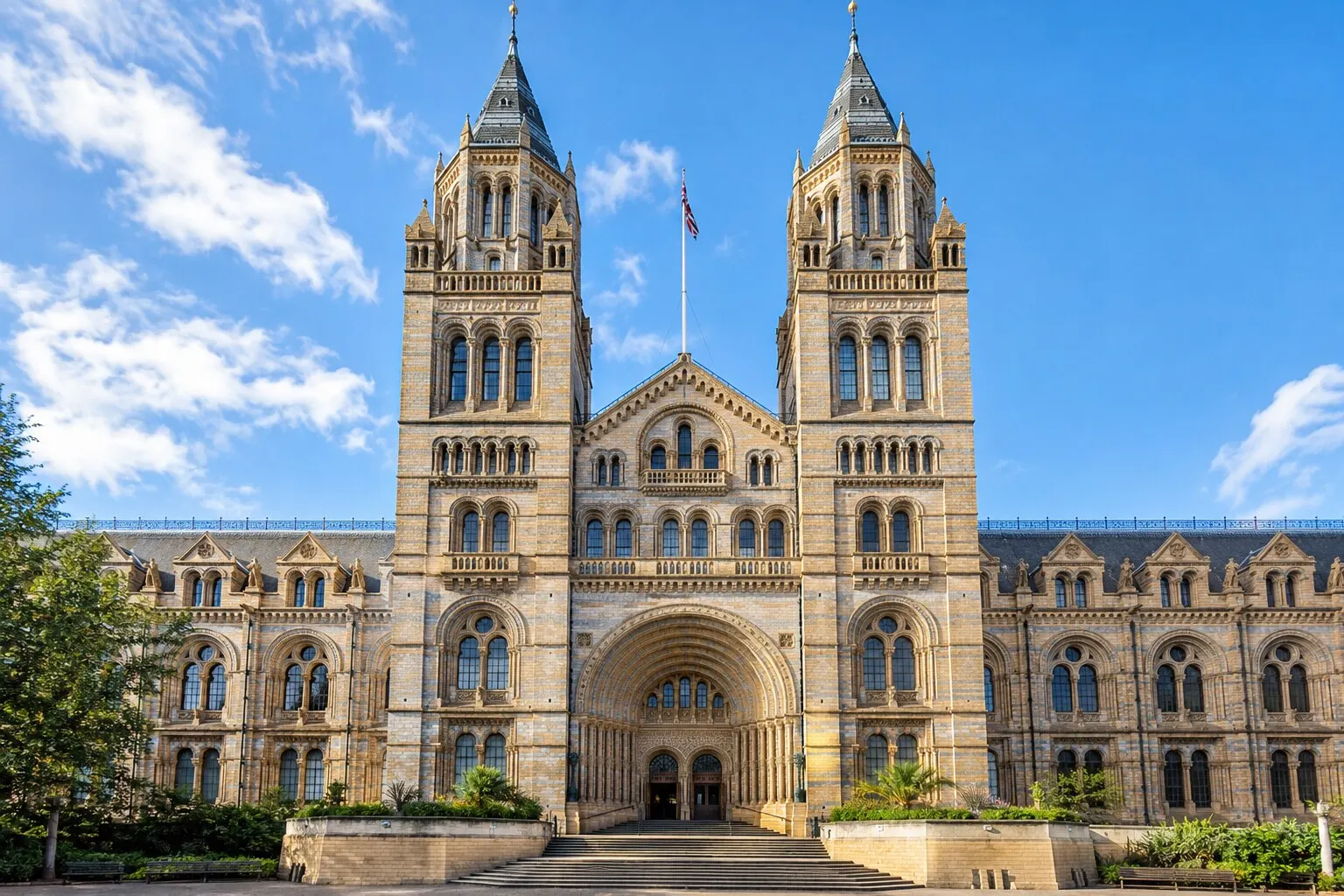
Look up before you look at anything in a case. The building is the largest object in the collection.
Alfred Waterhouse finished it in 1881 as a cathedral to nature, and he meant that literally. The terracotta is moulded into living things from end to end — monkeys climbing the arches, pterodactyls worked into the ceiling panels, fish and ferns running up the columns. There is a rule hidden in it: extinct species were placed in the east wing, living ones in the west.
The man who forced it into existence was Richard Owen, who coined the word "dinosaur" and spent twenty years arguing that natural history deserved a building of its own rather than a few rooms inside the British Museum.
- Time to allow: 2–2.5 hours
- Hours: 10:00–17:50 (open daily)
- Address: Cromwell Road, South Kensington, London SW7 5BD
- Nearest transport: South Kensington station · 5 min walk (Circle,District,Piccadilly)
- Localada perk: 5% OFF
- Free entry — no ticket needed
- Special exhibitions are ticketed separately
- Closed 9 October 2026 for a private event
- Last entry is 17:30
Local tips
- Enter from Exhibition Road, not Cromwell Road — the queue is half as long
- Dinosaurs are left from Hintze Hall and always busiest; go first or last
- The mineral gallery and earthquake room are the quietest spaces here
- Look up at the ceiling panels in the main hall: every one is a different plant
- The Science Museum and V&A are both five minutes away on the same street
Where to eat: verified local picks
Padella
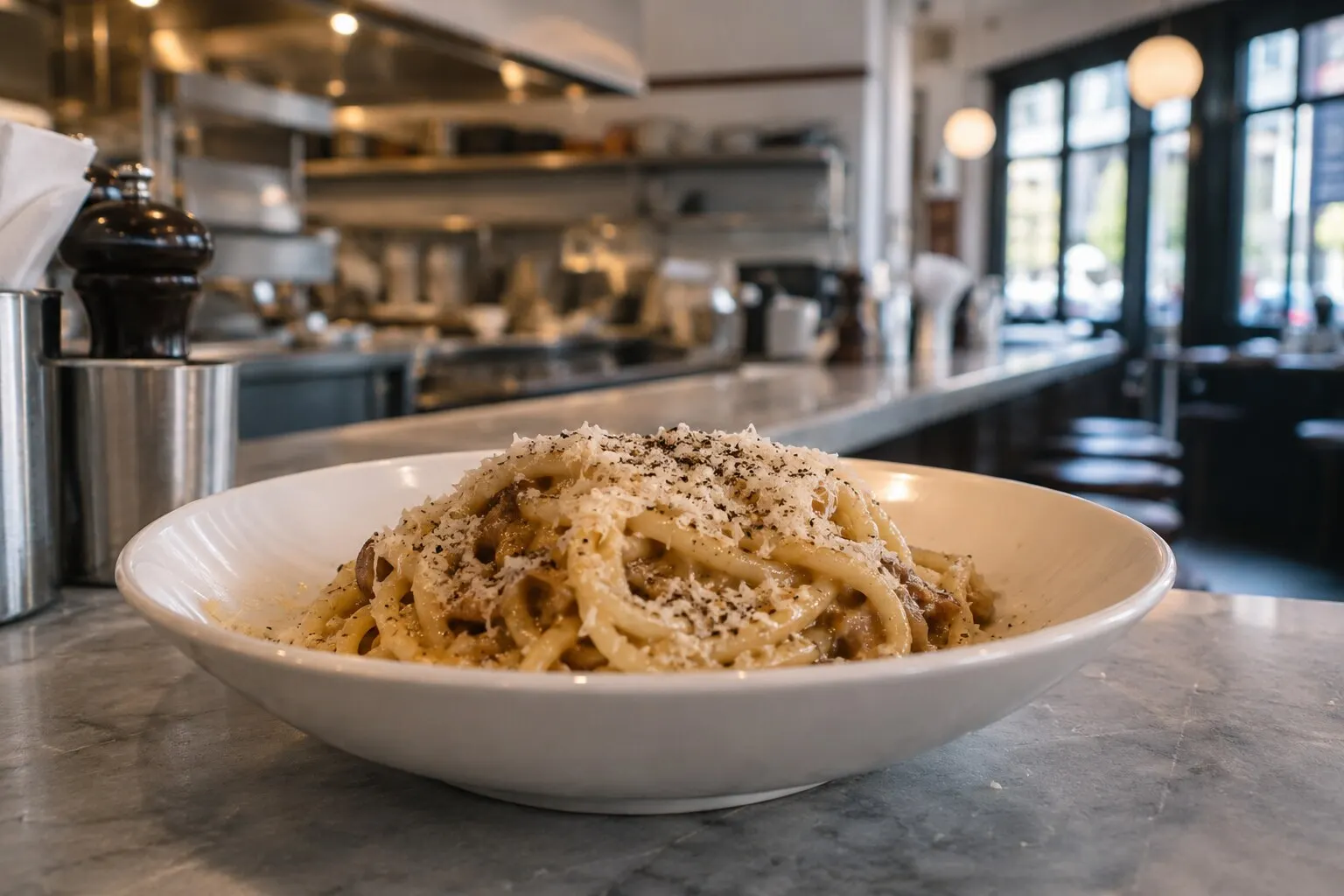
There is almost always a queue, and the queue is the point.
Padella opened in 2016 on the edge of Borough Market with a deliberately small menu and no bookings. Pasta is rolled and cut in the room, in front of you, all day. Nothing sits waiting. The kitchen is open, the counter seats face straight into it, and the whole place turns over fast because the portions are sized to be eaten rather than photographed.
Ask anyone in London for one dish here and they will say the same thing: pappardelle with eight-hour beef shin ragu. It has been on the menu since the first week and it has never come off.
The other order worth knowing is the cacio e pepe — pecorino, black pepper, pasta water, nothing else. It is the hardest simple dish in Italian cooking and it is why chefs come here on their day off.
- Hours: 11:30–22:00 (open daily)
- Address: 6 Southwark Street, London SE1 1TQ
- Nearest transport: London Bridge station · 3 min walk (Jubilee,Northern)
- No reservations — join the virtual queue on arrival
- Open every day, lunch and dinner
- Counter seats turn over fastest
- Portions are small: two plates per person is normal
Local tips
- Join the queue first, then walk the market while you wait
- Pappardelle with beef shin ragu is the dish people come back for
- Order cacio e pepe alongside it and share both
- Counter seats face the pasta room and move quickest
- Go at 11:30 or after 21:00 to skip the wait entirely
Byward Kitchen and Bar
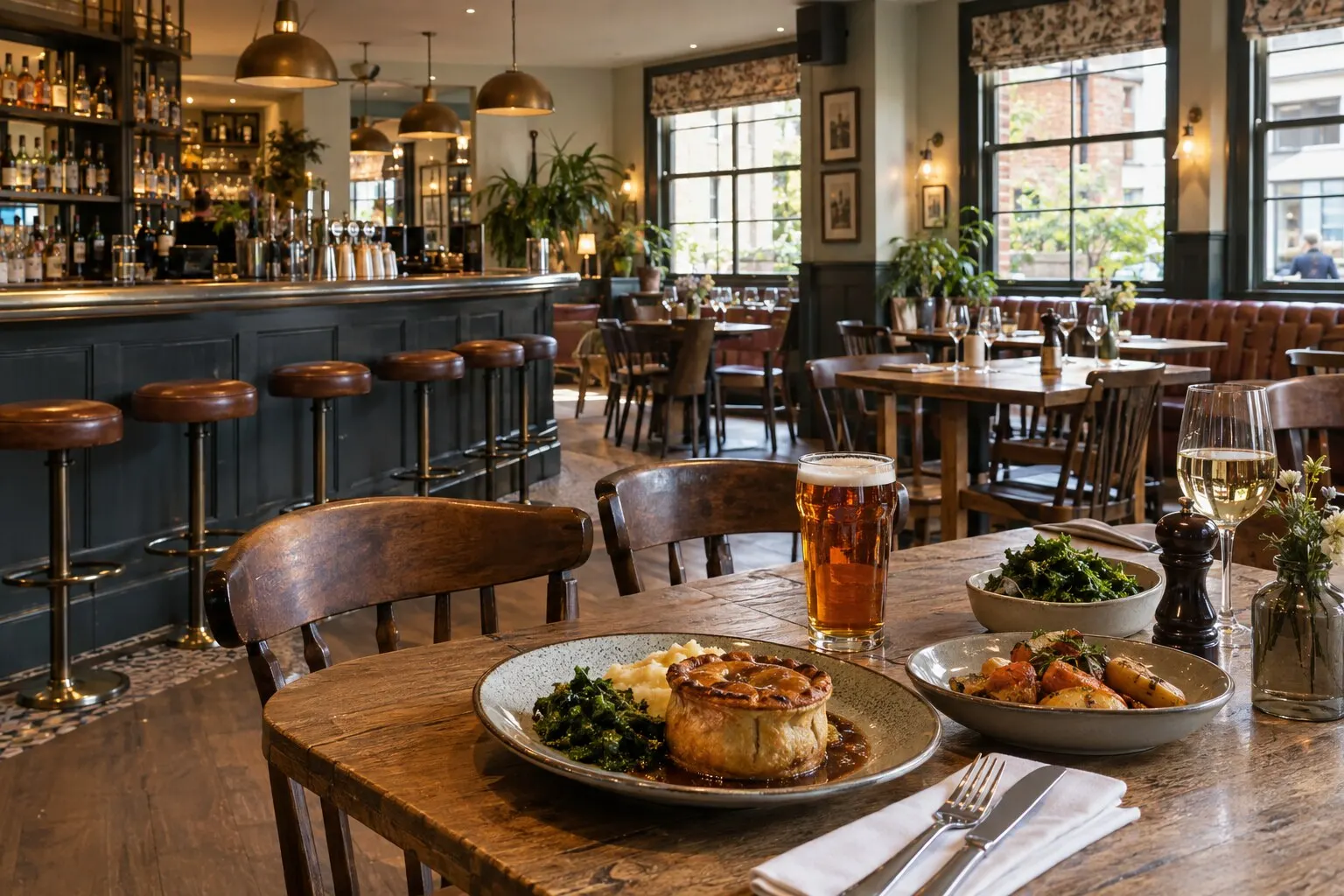
Two minutes from the Tower gate, and almost nobody who visits the Tower finds it.
Byward Kitchen sits beside All Hallows by the Tower, the oldest church in the City of London — founded in 675, four centuries before the Tower itself. Samuel Pepys climbed its spire in 1666 to watch the Great Fire spread. William Penn was baptised inside it. John Quincy Adams was married there.
The restaurant is family-run and independent, which in this part of London is genuinely rare. The streets around it belong to banks and chains; this is a kitchen with a courtyard garden attached to a Saxon church.
The food is straightforward British cooking done properly — a full breakfast in the morning, fish and chips and seasonal plates at lunch. It is not trying to be clever, and after two or three hours inside a fortress that is exactly what you want.
- Hours: 09:00–16:00 (open daily)
- Address: Byward Street, London EC3R 5BJ
- Nearest transport: Tower Hill station · 3 min walk (Circle,District)
- Open every day but closes at 16:00 — daytime only
- Last lunch orders 15:30
- Courtyard garden seating when the weather allows
- Independent and family-run, not a chain
Local tips
- Come straight out of the Tower and turn left — it is three minutes
- Ask for a table in the courtyard rather than inside
- Step into All Hallows next door: it is free and holds a Saxon arch
- Breakfast here is better value than lunch
- Do not plan it for the evening; the kitchen shuts mid-afternoon
Gordon's Wine Bar
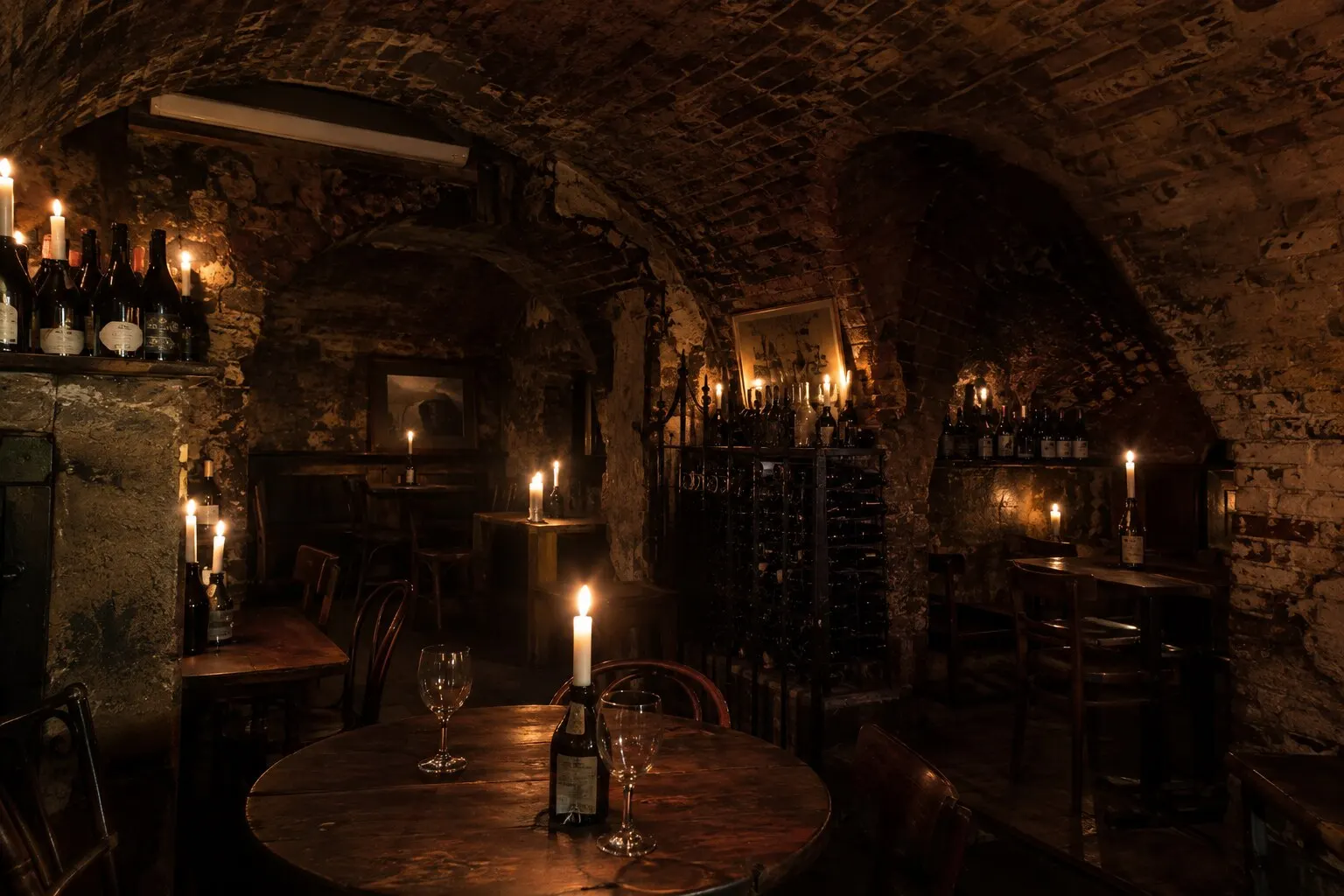
Duck your head going in. The ceiling drops as you walk back, and by the end of the cellar you are in a brick vault lit entirely by candles.
Gordon's opened in 1890 and has never been refurbished, which in London is close to a miracle. The walls are papered in yellowing newsprint — coronations, moon landings, war headlines — left up and left to fade. Nothing has been cleaned off on purpose.
The building is older than the bar. Samuel Pepys lived on this spot in the 1680s. Rudyard Kipling wrote here in the 1890s when it was still a seed merchant's cellar, and the room upstairs carries his name.
There is no reservation system and there never has been. You queue, you take whatever table is free, and you order at the counter.
- Hours: 11:00–23:00 (open daily)
- Address: 47 Villiers Street, London WC2N 6NE
- Nearest transport: Embankment station · 2 min walk (Bakerloo,Circle,District,Northern)
- No reservations — first come, first served
- Order at the counter, not at the table
- Open every day; Sunday closes an hour earlier
- The candlelit vault fills first and stays full
Local tips
- Arrive by 17:00 on a weekday for a table in the vault
- Order at the bar and carry it back; nobody takes orders at tables
- The cheese and charcuterie boards are the point — skip the hot food
- Go right to the back: the candlelit brick vault is the room worth having
- If it is full, the terrace on Watergate Walk turns over faster
Shops: verified local picks
Stanfords
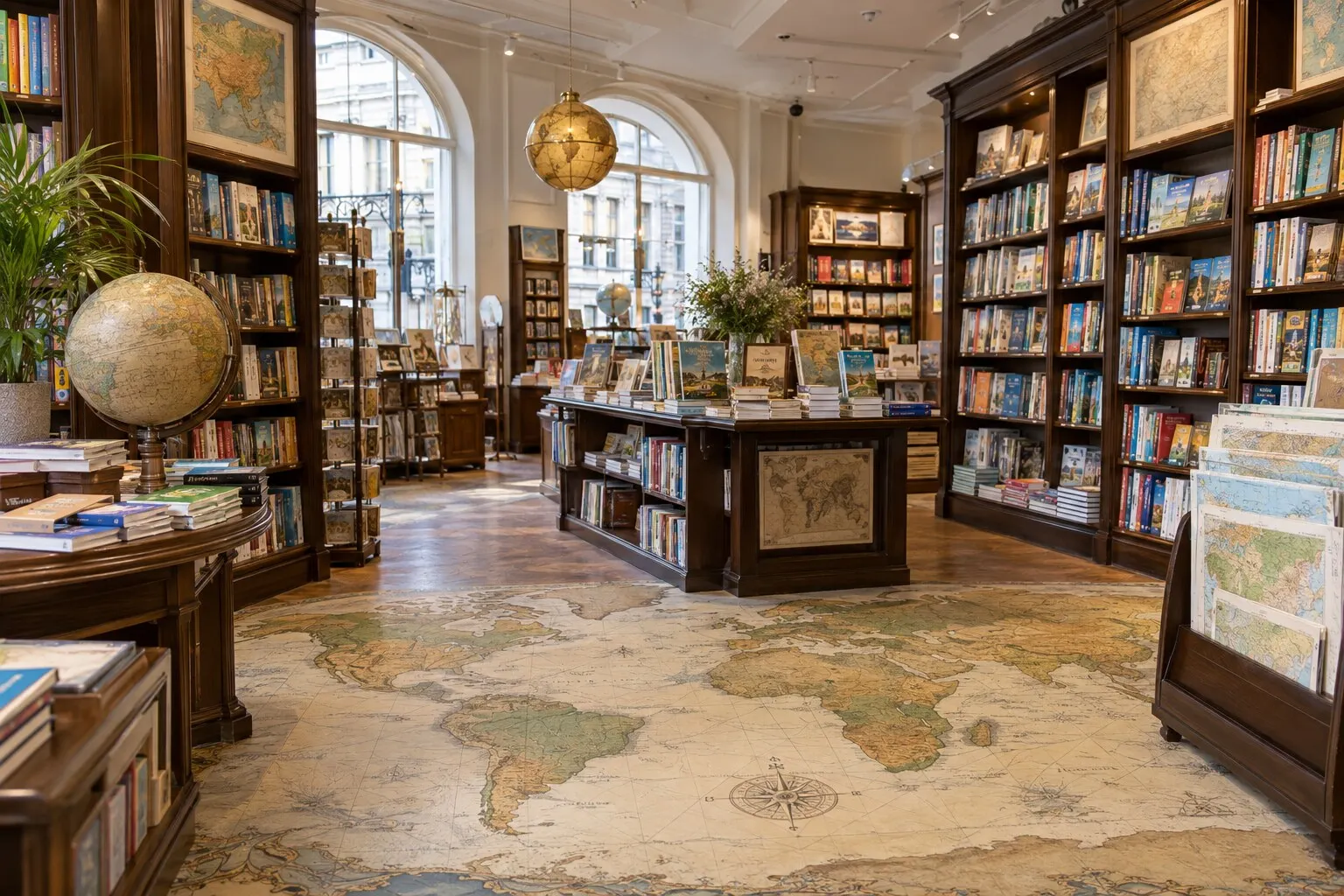
Every serious British expedition of the last hundred and fifty years bought its maps in this shop.
Edward Stanford opened it in 1853 and it became the place explorers went before they left. Scott and Shackleton were customers. Livingstone was a customer. Florence Nightingale ordered maps of Crimea. Amy Johnson planned her flight to Australia over a Stanfords chart. The shop supplied Sherlock Holmes with a survey map of Dartmoor in The Hound of the Baskervilles, which is fiction, but Conan Doyle chose a real address for it.
They still print and sell maps of anywhere. Ordnance Survey sheets, nautical charts, mountain maps, globes, and travel writing across two floors.
- Hours: 09:00–19:00 (open daily)
- Address: 7 Mercer Walk, Covent Garden, London WC2H 9FA
- Nearest transport: Covent Garden station · 3 min walk (Northern,Piccadilly)
- Open every day; Sunday from midday
- Two floors of maps, guidebooks and travel writing
- Café on the ground floor
- Ordnance Survey maps printed to order
Local tips
- Walk across the printed floor map on the way in — it is easy to miss
- Ask upstairs for maps of where you are going next, not where you are
- Covent Garden station has 193 steps; walk from Leicester Square instead
- Seven Dials is two minutes away and worth the detour
- The travel writing section is the best in London
Harrods
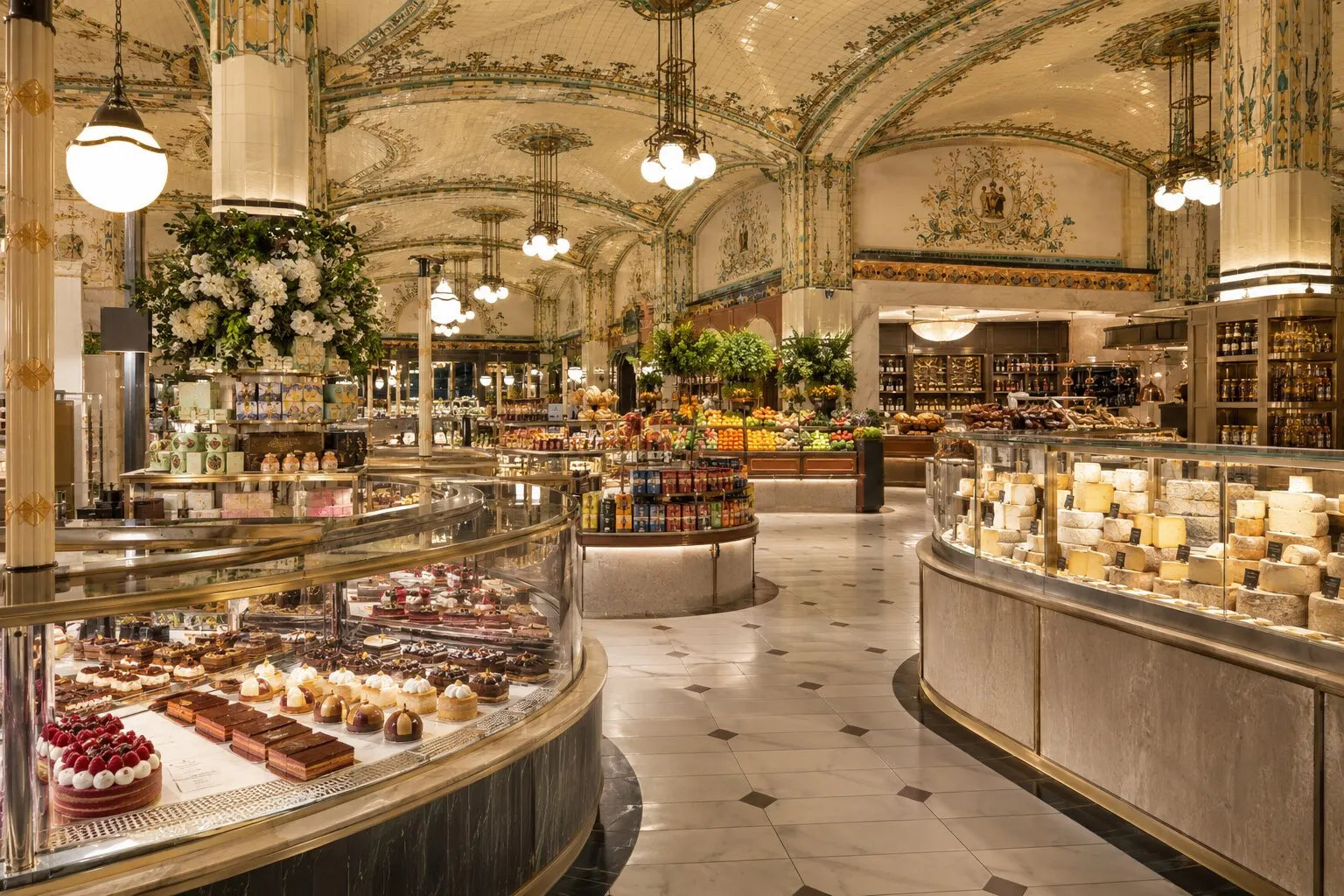
Charles Henry Harrod sold tea. That is the whole origin — a single grocer's counter opened in 1834, moved out to Knightsbridge to escape the crowds of the Great Exhibition, and then refused to stop growing.
It burned to the ground in 1883, three weeks before Christmas. Harrod wrote to his customers apologising for the delay, filled every order on time from temporary premises, and had his best season ever.
In 1898 the shop installed Britain's first escalator. Staff waited at the top with brandy and smelling salts for customers who found the experience too much.
The Egyptian Hall on the lower ground floor is a 1990s addition and looks nothing like the rest of the building, which is rather the point. The store has always been a set of theatrical rooms rather than one shop.
- Hours: 10:00–21:00 (open daily)
- Address: 87–135 Brompton Road, Knightsbridge, London SW1X 7XL
- Nearest transport: Knightsbridge station · 3 min walk (Piccadilly)
- Free to enter; open every day
- Sunday hours are shorter under UK trading law
- A dress code is enforced and large luggage is refused
- The Food Halls are on the ground floor
Local tips
- Go straight to the Food Halls — the tiled ceilings are the best thing here
- Tea and biscuit tins are the cheapest souvenir that survives the flight
- Knightsbridge station has a tunnel running directly into the store
- Avoid Saturday afternoon; the ground floor barely moves
- Hyde Park is five minutes north if you need air afterwards
Experiences and activities
Thames River Cruise — Westminster to Tower Bridge
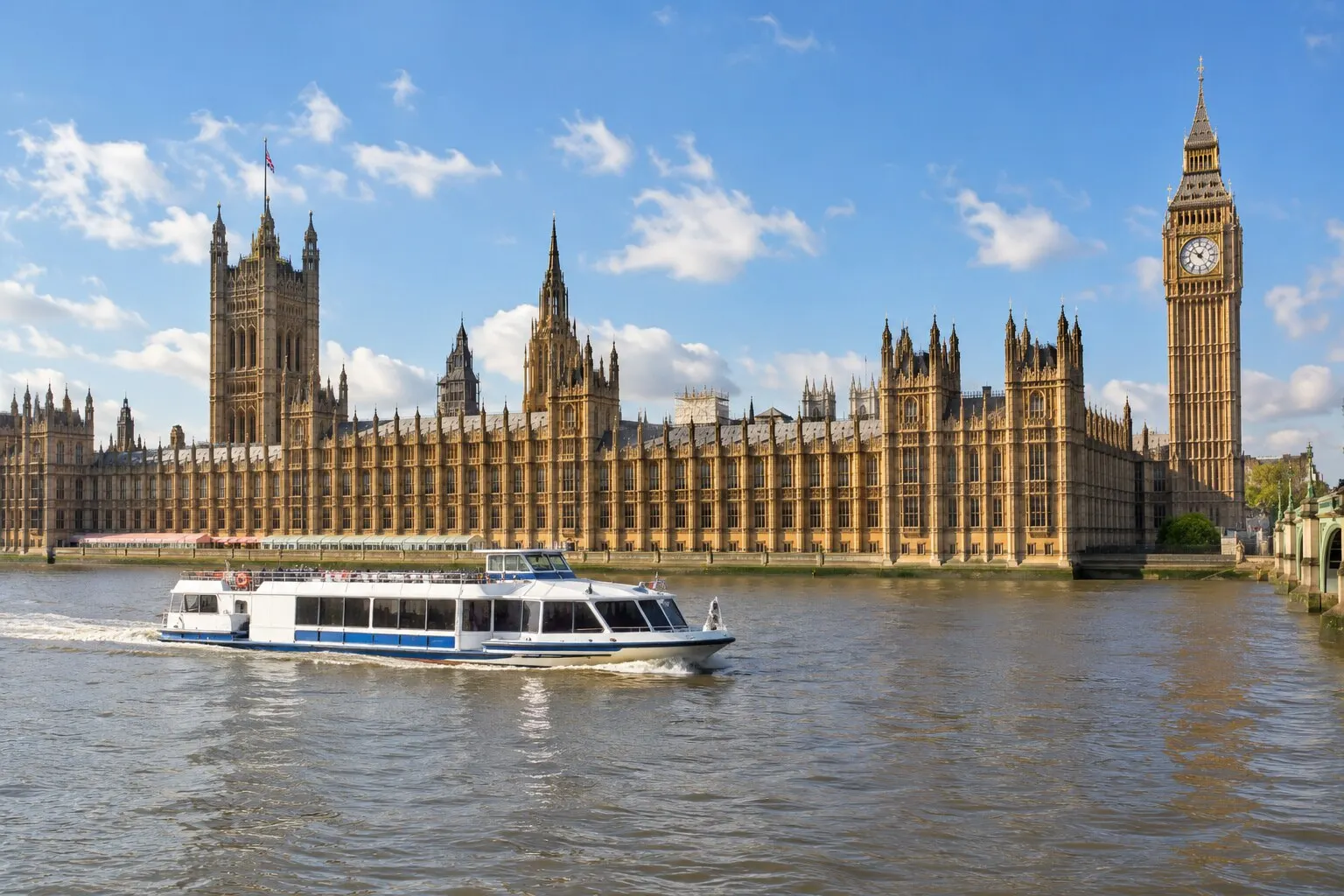
For most of London's life, the river was the road.
There was one bridge — London Bridge — for six hundred years. Everything else moved by water. Licensed watermen ran a taxi trade of two thousand boats, and the shout you used to hail one was "Oars!" Kings travelled by barge because it was faster and safer than the streets.
That is why the city looks wrong from the land and right from the water. Parliament, Somerset House, the Tower, St Paul's — all of them were designed to be approached from the river, and their best faces still point at it.
The Thames here is tidal. It rises and falls about seven metres twice a day, and it runs brown not from dirt but from silt stirred up by that tide. It is now one of the cleanest metropolitan rivers in Europe. Seals swim up as far as Westminster.
- Time to allow: 1–1.5 hours
- Hours: 10:00–18:00 (open daily)
- Address: Westminster Pier, Victoria Embankment, London SW1A 2JH
- Nearest transport: Westminster station · 2 min walk (Circle,District,Jubilee)
- Localada perk: 5% OFF – Return river cruise with live commentary — book below
- A return ticket is better value than one way
- Boats leave Westminster Pier roughly every 30 minutes
- Live English commentary on board
- Fewer sailings in winter — check the day’s timetable
Local tips
- Sit on the open upper deck — the glass downstairs reflects everything
- Face backwards: the best views arrive behind you
- Return by boat rather than Tube; the same ticket covers it
- Blackfriars Bridge is the boundary — look for the dragons on the embankment
- At low tide the foreshore below the Tower is exposed and worth a look
The View from The Shard
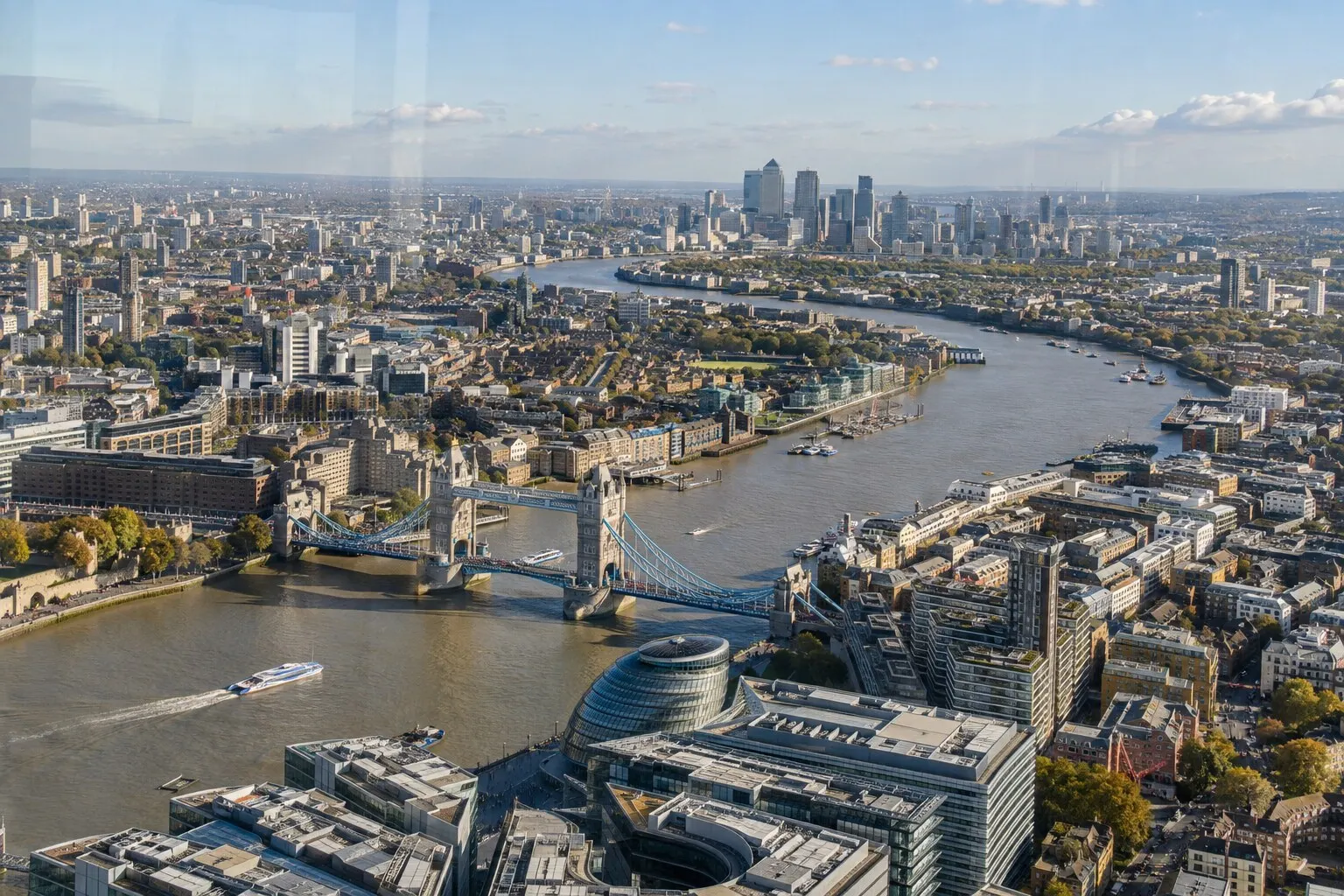
Renzo Piano sketched it on the back of a restaurant menu in Berlin, and he was arguing when he did it.
He had been asked to design a tower at London Bridge and he did not like tall buildings. What changed his mind was the site — a railway station, the river, and a city that had always built upward in glass and stone. He drew a shard of glass rising out of the Thames. The word was half a criticism. It stuck.
It is 310 metres, the tallest building in western Europe, and it is deliberately unfinished at the top. The glass panels do not meet. They fray into the sky, open to the weather, which is why floor 72 is partly outdoors and you can hear the city from up there.
- Time to allow: 1–1.5 hours
- Hours: 11:00–20:00 (closed Tuesday)
- Address: 32 London Bridge Street, London SE1 9SG
- Nearest transport: London Bridge station · 2 min walk (Jubilee,Northern)
- Localada perk: 5% OFF – Timed entry to floors 69 and 72 — book below
- Closed on Mondays and Tuesdays
- Timed tickets — arrive inside your slot
- Floor 72 is partly open to the weather; dress for it
- Poor visibility earns a free return visit
Local tips
- Book 60–90 minutes before sunset for daylight and lights in one visit
- Go straight up to level 72, then come down to 69 for the enclosed view
- The entrance is inside the station complex on Joiner Street, not on the main road
- The lifts are among the fastest in Europe — the ear-pop is normal
- If cloud is low, ask about the weather guarantee before going up
Tower Bridge
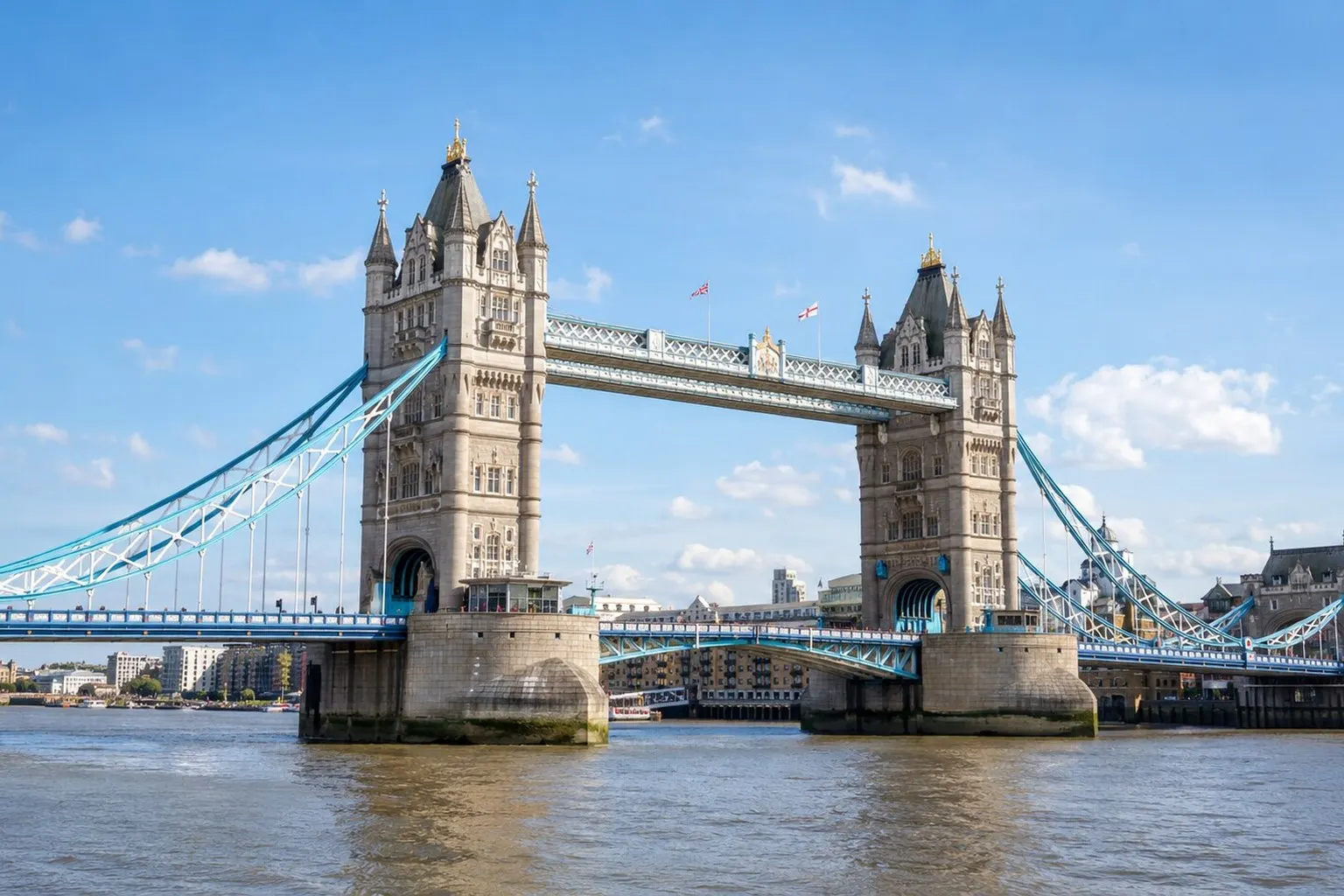
Everyone calls it London Bridge. London Bridge is the plain one upriver, and it is the one that keeps getting sold to Americans.
This is Tower Bridge, finished in 1894 after a competition to solve an impossible problem: the East End needed a crossing, but ships still had to reach the Pool of London. Horace Jones designed a bridge that could split in half and lift.
The Gothic stonework is a costume. Underneath it is a steel frame — the towers are riveted skeletons, clad in Cornish granite and Portland stone so the thing would not embarrass the Tower of London next door.
For seventy-two years the lifting was done by steam. Coal-fired boilers drove pumping engines that pressurised water into accumulators, and that stored pressure swung two bascules weighing a thousand tonnes each in about a minute. Those engines are still in their engine rooms and you will walk through them.
- Time to allow: 1–1.5 hours
- Hours: 09:30–18:00 (open daily)
- Address: Tower Bridge Road, London SE1 2UP
- Nearest transport: Tower Hill station · 7 min walk (Circle,District)
- Localada perk: 5% OFF – Timed entry, glass walkway & engine rooms — book below
- Open daily; last entry 17:00
- Timed tickets — book a slot to avoid the gate queue
- Ticket covers the high walkways and the Victorian engine rooms
- Crossing the road deck itself is free and always open
Local tips
- Check the lift times online and plan to be there for one — it is free to watch
- Lie down on the glass floor and look straight through; everyone does
- The engine rooms are on the south side and most people skip them
- Approach from Tower Hill for the view that gets photographed
- A quiet "Relaxed Opening" runs the second Saturday of each month, 09:30–11:30
English Scone Making & Tea Workshop
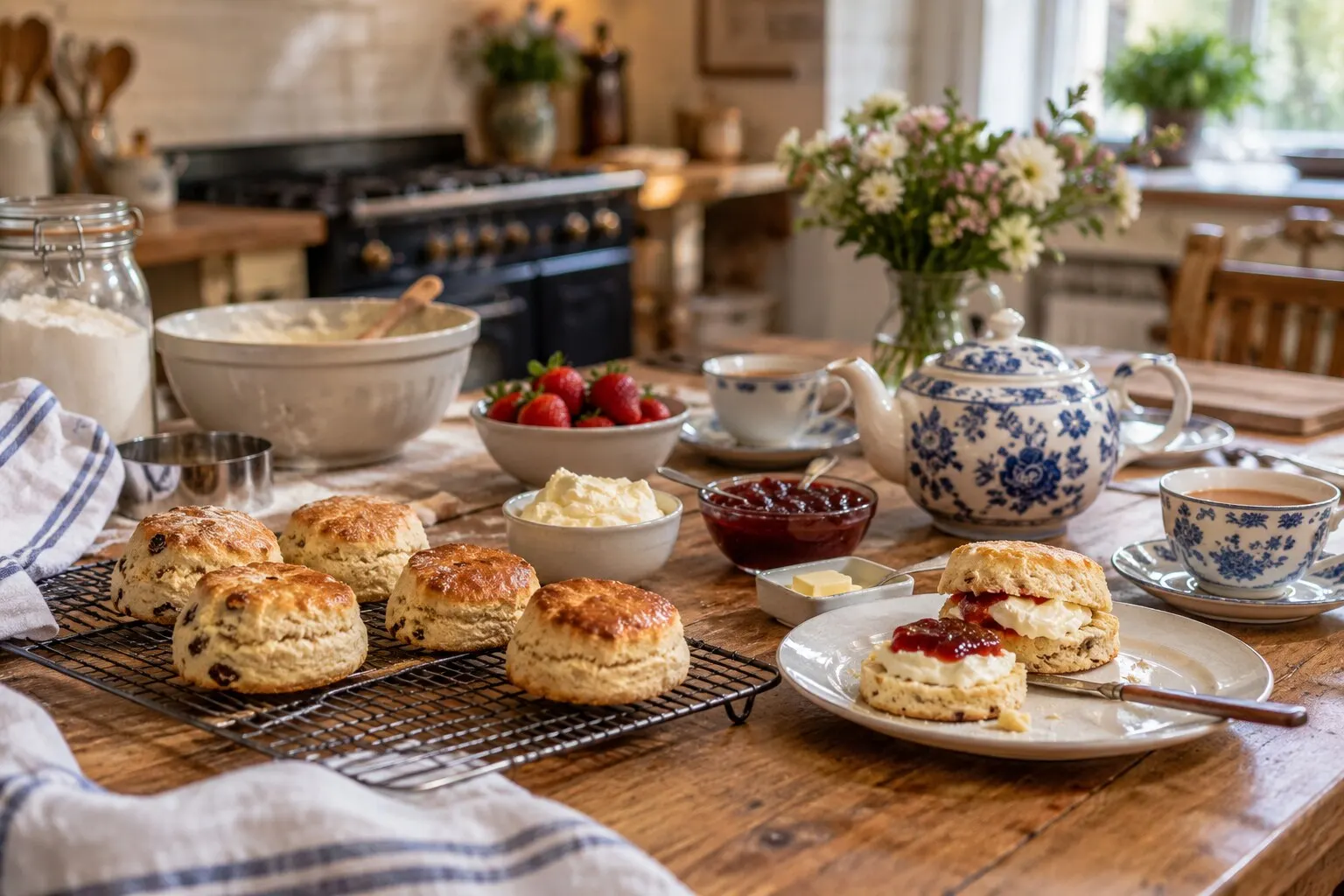
Britain has a civil war over scones and it is entirely about the order of assembly.
In Devon the clotted cream goes on first and the jam on top. In Cornwall it is jam first, then cream. People hold this position for life. There is no neutral ground and no correct answer, though everyone you ask will insist there is one.
You will make them yourself, by hand, with a baker who does this for a living. The dough is barely worked — the whole trick to a scone is doing almost nothing to it, because gluten is the enemy of a light crumb. Overmix it and you have made a rock.
They come out of the oven in about twelve minutes and you eat them warm, which is the only version anyone here will admit is correct.
- Time to allow: 1 hour
- Hours: 10:00–18:00 (open daily)
- Address: De Hems, 11 Macclesfield Street, London W1D 5BW
- Nearest transport: Leicester Square station · 3 min walk (Northern,Piccadilly)
- Localada perk: 5% OFF – Small-group scone making with a baker — book below
- One hour, small groups, fully hands-on
- Held on the first floor — no step-free access
- Not suitable for gluten-free, dairy-free or vegan diets
- Sessions are usually booked out weeks ahead
Local tips
- Arrive ten minutes early; the class starts on time
- Pick a side before you go in — jam first or cream first
- Do not overwork the dough; the baker will tell you the same
- You take home what you cannot eat, so bring a bag
- Chinatown is directly outside, the best place to walk it off
Royal Albert Hall Guided Tour

This hall was paid for by a trade fair.
The Great Exhibition of 1851 made a profit of £186,000, and Prince Albert insisted the money be spent on a permanent quarter for the arts and sciences rather than returned to anyone. He died in 1861 without seeing it built. Victoria laid the foundation stone and changed the name to his at the last moment, surprising everybody present.
It opened in 1871 with a problem nobody had anticipated. The dome produced an echo so severe that people joked it was the only place in Britain where a composer could hear his work twice. It took a century and a ceiling full of fibreglass discs — the "mushrooms" still hanging up there — to fix it.
- Time to allow: 1 hour
- Hours: 09:00–16:30 (open daily)
- Address: Kensington Gore, South Kensington, London SW7 2AP
- Nearest transport: South Kensington station · 10 min walk (Circle,District,Piccadilly)
- Localada perk: 5% OFF – One-hour guided tour behind the scenes — book below
- One-hour tour with several departures a day
- Meets at Door 12, at the visitor desk
- Under-5s are not admitted
- Parts may close during rehearsals and the Proms season
Local tips
- Book the first tour of the day for the best chance of an empty auditorium
- Ask the guide whether a rehearsal is running — you may hear it from the box
- The ceiling discs are the acoustic fix; look up as soon as you walk in
- Kensington Gardens and the Albert Memorial are across the road
- Photography is allowed except while a rehearsal is on stage
London travel guides on the Localada blog
London audio guide: frequently asked questions
Is the London audio guide free?
Yes. Localada’s London guide is free: create a free account and open it in your browser, no app download needed. It includes 21 stops, audio and written stories, a route map and scam-awareness tips. Tickets for paid sights are bought separately; booking through Localada’s GetYourGuide links gives 5% off.
How many stops are in the London audio guide?
There are 21 stops: 11 sights, 3 places to eat, 2 shops and 5 experiences.
How long does it take to see the main sights in London?
Visiting all 11 sights in the guide takes about 15–21 hours, not counting travel between them. The Tower of London needs the most time (allow 2–3 hours).
Which London sights are closed on certain days?
3 of the 11 sights have a weekly closing day: Westminster Abbey (closed Sunday), Borough Market (closed Monday) and St Paul's Cathedral (closed Sunday). Plan these for another day of the week.
What time do London sights open and close?
The earliest opening in the guide is 08:30 (St Paul's Cathedral) and the latest closing is 18:00 (The London Eye). Each stop’s hours are in the table above.
Are there discounts with the London guide?
16 stops include a Localada perk, for example Big Ben & the Houses of Parliament (5% OFF), Westminster Abbey (5% OFF), Buckingham Palace & the Changing of the Guard (5% OFF), Thames River Cruise — Westminster to Tower Bridge (5% OFF), The London Eye (5% OFF) and Tate Modern (5% OFF). Show the code in the guide at verified restaurants and shops; ticket discounts are applied at GetYourGuide checkout.
What can I do in London on a rainy day?
9 stops in the guide are indoors, including Westminster Abbey, Buckingham Palace & the Changing of the Guard, Tate Modern, St Paul's Cathedral, The British Museum and Trafalgar Square & the National Gallery.
What is open in the evening in London?
These stops in the guide stay open late: Padella (until 22:00), Gordon's Wine Bar (until 23:00) and Harrods (until 21:00).
How do I get between the stops in London?
The London stops are spread across the city, so the guide lists the nearest metro, tram or train station for each one.
Which languages is the London audio guide available in?
Narration and text are available in 15 languages: English, Turkish, German, French, Spanish, Italian, Portuguese, Dutch, Polish, Russian, Arabic, Persian, Chinese, Japanese and Korean.