













Localada’s free Vienna audio guide covers 16 stops: 7 sights, 2 places to eat, 2 shops and 5 experiences, narrated in 15 languages. Seeing all 7 sights takes roughly 11–17 hours of visiting time, before travel between them. 12 of the 16 stops come with a Localada perk, such as 5% off GetYourGuide tickets or a discount at a verified local restaurant or shop.
Opening hours, perks and visit times below come from the live Localada app and were last checked on 29 October 2026. Always confirm on the day: hours can change for holidays and prayer times.
Vienna audio guide stops at a glance
| # | Stop | Type | Time to allow | Hours | Closed | Today | Nearest transport | Localada perk |
|---|---|---|---|---|---|---|---|---|
| 1 | Schönbrunn Palace & Gardens | Palace | 2–3 hours | 09:00–17:00 | — | — | Schönbrunn · U4 · 5 min walk | 5% OFF |
| 2 | St Stephen's Cathedral | Cathedral | 1–2 hours | 09:00–17:00 | — | — | Stephansplatz · U1 · U3 · at the door | 5% OFF |
| 3 | The Hofburg & the Sisi Museum | Palace | 2–3 hours | 09:00–17:30 | — | — | Herrengasse · U3 · 3 min walk | 5% OFF |
| 4 | The Belvedere | Palace | 2 hours | 09:00–18:00 | — | — | Schloss Belvedere · tram D · 2 min walk | 5% OFF |
| 5 | The Kunsthistorisches Museum | Museum | 2–3 hours | 10:00–18:00 | Monday | — | Museumsquartier · U2 · 3 min walk | 5% OFF |
| 6 | The Prater & the Giant Ferris Wheel | Landmark | 1–2 hours | 10:00–22:00 | — | — | Praterstern · U1 · U2 · 5 min walk | 5% OFF |
| 7 | The Albertina | Museum | 1–2 hours | 10:00–18:00 | — | — | Karlsplatz · U1 · U2 · U4 · 4 min walk | 5% OFF |
| 8 | Vivaldi's Four Seasons in the Karlskirche | Concert | 1–2 hours | 09:00–21:00 | — | — | Karlsplatz · U1 · U2 · U4 · 3 min walk | 5% OFF |
| 9 | Light of Creation at the Votivkirche | Light show | 1 hour | 10:00–21:00 | — | — | Schottentor · U2 · at the door | 5% OFF |
| 10 | Classical Concert at the Musikverein | Concert | 2 hours | 09:00–20:00 | — | — | Karlsplatz · U1 · U2 · U4 · 2 min walk | 5% OFF |
| 11 | The Spanish Riding School | Riding school | 1–2 hours | 09:00–16:00 | Monday | — | Herrengasse · U3 · 3 min walk | 5% OFF |
| 12 | Chocolate Workshop at the Chocolate Museum | Workshop | 1–2 hours | 10:00–19:00 | — | — | Praterstern · U1 · U2 · 5 min walk | 5% OFF |
| 13 | Gasthaus Pöschl | Restaurant | — | 12:00–23:00 | Sunday | — | Stephansplatz · U1 · U3 · 4 min walk | — |
| 14 | Café Sperl | Café | — | 07:00–22:00 | — | — | Museumsquartier · U2 · 6 min walk | — |
| 15 | Altmann & Kühne | Shop | — | 10:00–18:00 | Sunday | — | Stephansplatz · U1 · U3 · 3 min walk | — |
| 16 | Gegenbauer | Shop | — | 09:00–18:30 | Sunday | — | Kettenbrückengasse · U4 · 2 min walk | — |
How much time do you need in Vienna?
- Highlights only (about 5–8 hours): Schönbrunn Palace & Gardens, St Stephen's Cathedral and The Hofburg & the Sisi Museum.
- Every sight in the guide (about 11–17 hours): all 7 sights in route order; split across 3 days at a comfortable pace.
- Add food, shopping and experiences: 9 more stops, from verified restaurants to workshops and shows, listed below.
Sights in the Vienna audio guide
Schönbrunn Palace & Gardens
Full Schönbrunn Palace & Gardens audio guide →
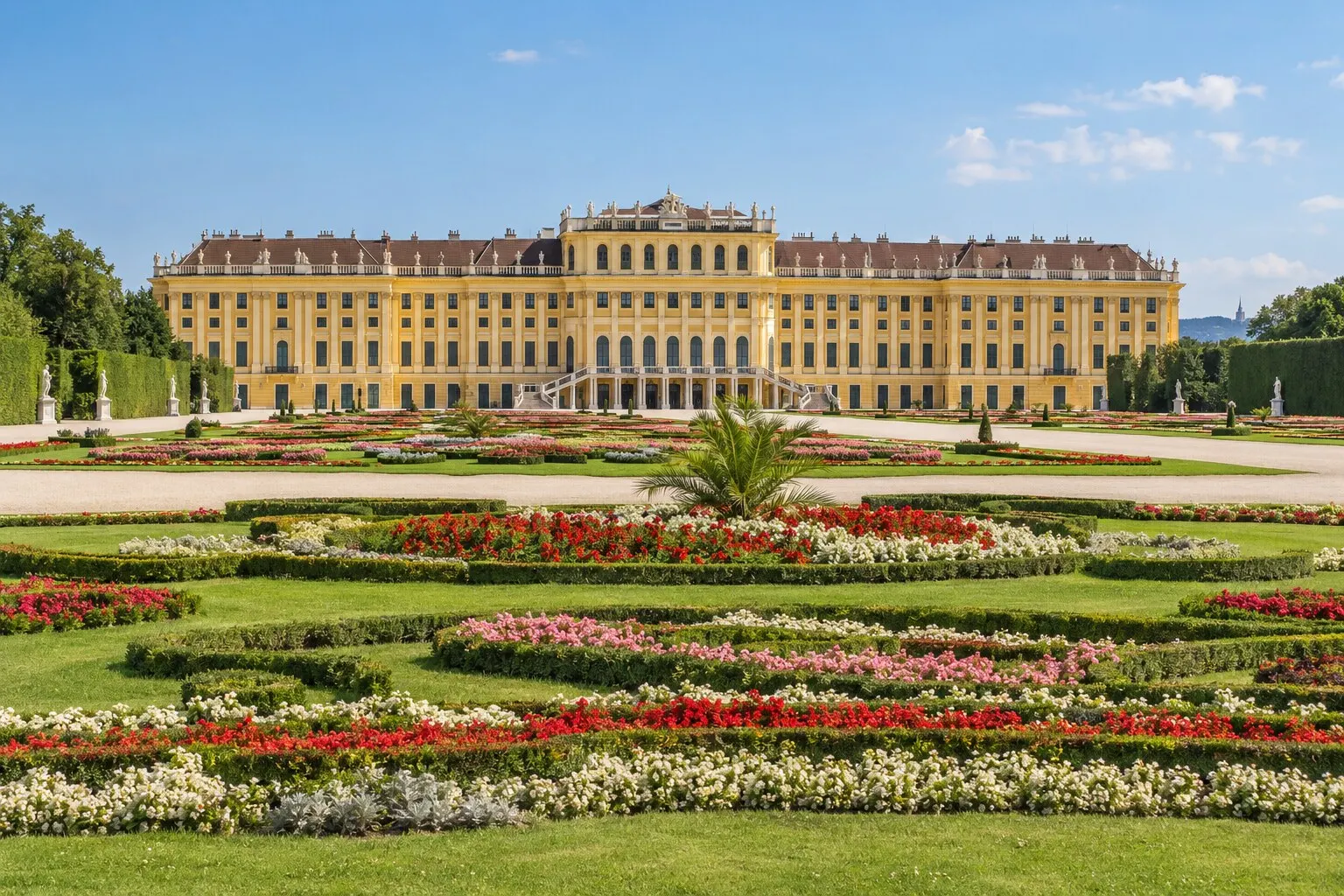
It was supposed to be a hunting lodge.
Maria Theresa turned it into the centre of an empire, and she did it while raising sixteen children in these rooms. One of them was Marie Antoinette, who left here at fourteen for Versailles and never came back.
The scale is deliberate. Every corridor you walk was a corridor an ambassador walked, past gilding calculated to say exactly how much Austria could afford. The Hall of Mirrors is where a six-year-old Mozart played for the empress and then, the story goes, climbed into her lap.
Franz Joseph was born here and died here, seventy-eight years apart, in a plain iron bed in a room far smaller than the ones around it. He rose at half past three every morning and worked standing at a desk. The empire he ran collapsed two years after he was gone.
- Time to allow: 2–3 hours
- Hours: 09:00–17:00 (open daily)
- Address: Schönbrunner Schloßstraße 47, 1130 Vienna
- Nearest transport: Schönbrunn · U4 · 5 min walk (U4 · 62)
- Localada perk: 5% OFF – Skip-the-line palace tour with a guide — book below
- Rooms are visited on a fixed one-way route; the State Apartments cover 22 rooms and the Grand Tour 40. Gardens, Gloriette hill and the maze are separate. No photography inside. Timed entry — your slot is printed on the ticket.
Local tips
- Go early or after 3pm — the middle of the day is tour-group traffic.
- The gardens open at 6:30am and the palace interior is the ticketed part.
- The Gloriette is a 20-minute uphill walk and the view is the one on the postcards.
- Walk out past the Orangery rather than back through the main gate — far quieter.
- Allow an hour more than you think; the grounds run to 435 acres.
St Stephen's Cathedral
Full St Stephen's Cathedral audio guide →
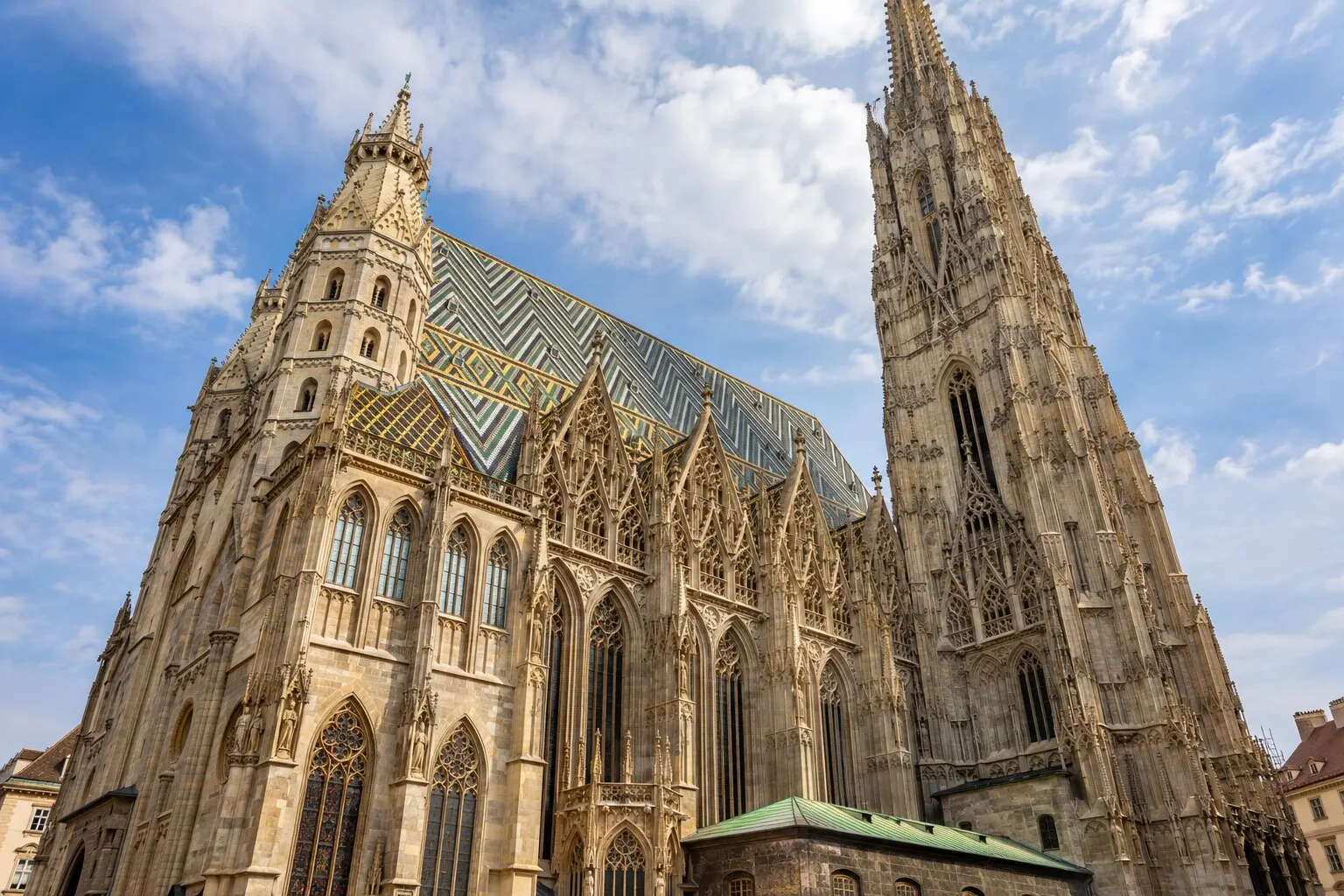
Look up before you look in.
The south roof carries 230,000 glazed tiles laid in a zigzag of green, gold, black and white, with the Habsburg double eagle picked out on one side. It burned in April 1945 — not from bombs, but from a fire in nearby shops that spread while the city was changing hands. The bells fell through the vault. Every one of Austria's nine states paid for a piece of the rebuilding.
Inside, the stone is darker than you expect. Eight hundred years of candle smoke will do that.
Find the pulpit and look at the staircase. Lizards and toads climb the stone banister, and at the bottom a man leans out of a carved window with a chisel in his hand, watching you. Nobody is certain who he was. He has been watching since about 1500.
- Time to allow: 1–2 hours
- Hours: 09:00–17:00 (open daily)
- Address: Stephansplatz 3, 1010 Vienna
- Nearest transport: Stephansplatz · U1 · U3 · at the door (U1 · U3)
- Localada perk: 5% OFF – Cathedral and Dom Museum tickets — book below
- The rear of the nave is open to all; the main nave, catacombs, towers and treasury are ticketed. The south tower is 343 steps and has no lift. Visits pause during services. The north tower lift reaches the Pummerin bell.
Local tips
- The south tower stairs are narrow and one-way — the view is worth it, the climb is not gentle.
- The north tower has a lift and gets you to the great bell with far less effort.
- Catacomb tours run on the half hour and are the quietest part of the building.
- If you can time an organ practice, stand at the back — no ticket needed.
- The roof tiles read best from the south-east corner of Stephansplatz, not from under the spire.
The Hofburg & the Sisi Museum
Full The Hofburg & the Sisi Museum audio guide →
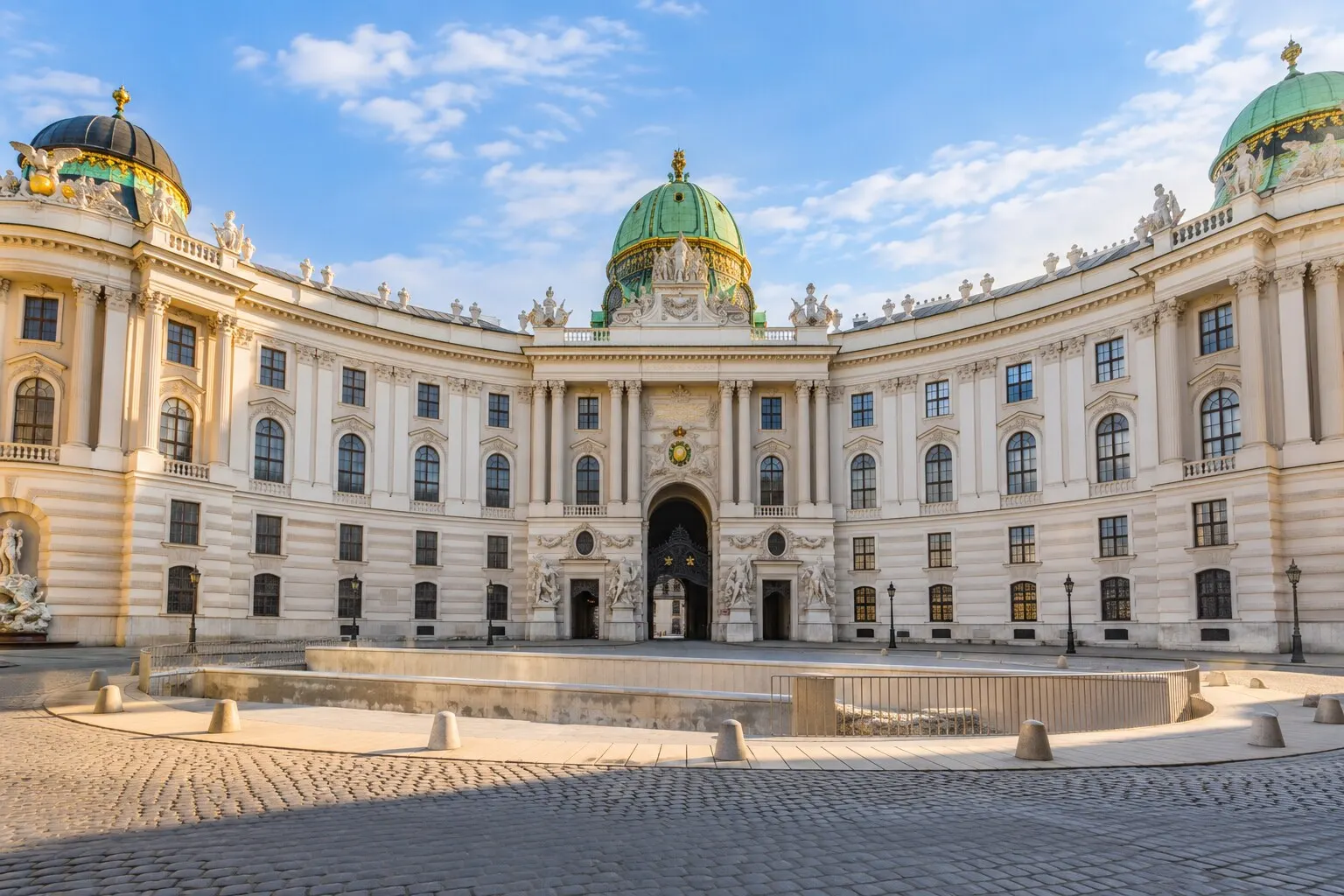
Six hundred years of Habsburgs lived here, and the rooms still smell faintly of wax.
The palace grew the way a city grows — each emperor adding a wing, none of them demolishing. The result is not one building but eighteen, bolted together around courtyards, the oldest stones laid in the thirteenth century and the newest in 1913.
Most people come for Elisabeth. She was sixteen when she married Franz Joseph and spent the next forty years escaping. She exercised for hours, kept her weight down on a frame of 172 centimetres, washed her floor-length hair in eggs and cognac, and had a gymnasium installed in the imperial apartments, which scandalised the court. She refused to be photographed after her early thirties. Every image of her as an older woman is a painting or a guess.
- Time to allow: 2–3 hours
- Hours: 09:00–17:30 (open daily)
- Address: Michaelerkuppel, 1010 Vienna
- Nearest transport: Herrengasse · U3 · 3 min walk (U3 · 1 · 2 · D)
- Localada perk: 5% OFF – Skip-the-line Sisi Museum and Hofburg tour — book below
- One ticket covers the Imperial Apartments, the Sisi Museum and the Silver Collection on a fixed one-way route. The Treasury and the National Library are separate. Audio guide included. Last entry one hour before closing.
Local tips
- Enter under the dome from Michaelerplatz — the Josefsplatz side is a different ticket.
- Start with the Silver Collection; most people rush it and it is the most revealing part.
- Thursday evening is the quietest hour of the week.
- The Treasury, two courtyards away, holds the imperial crown and is worth its separate ticket.
- Leave through the Burggarten instead of going back the way you came.
The Belvedere
Full The Belvedere audio guide →
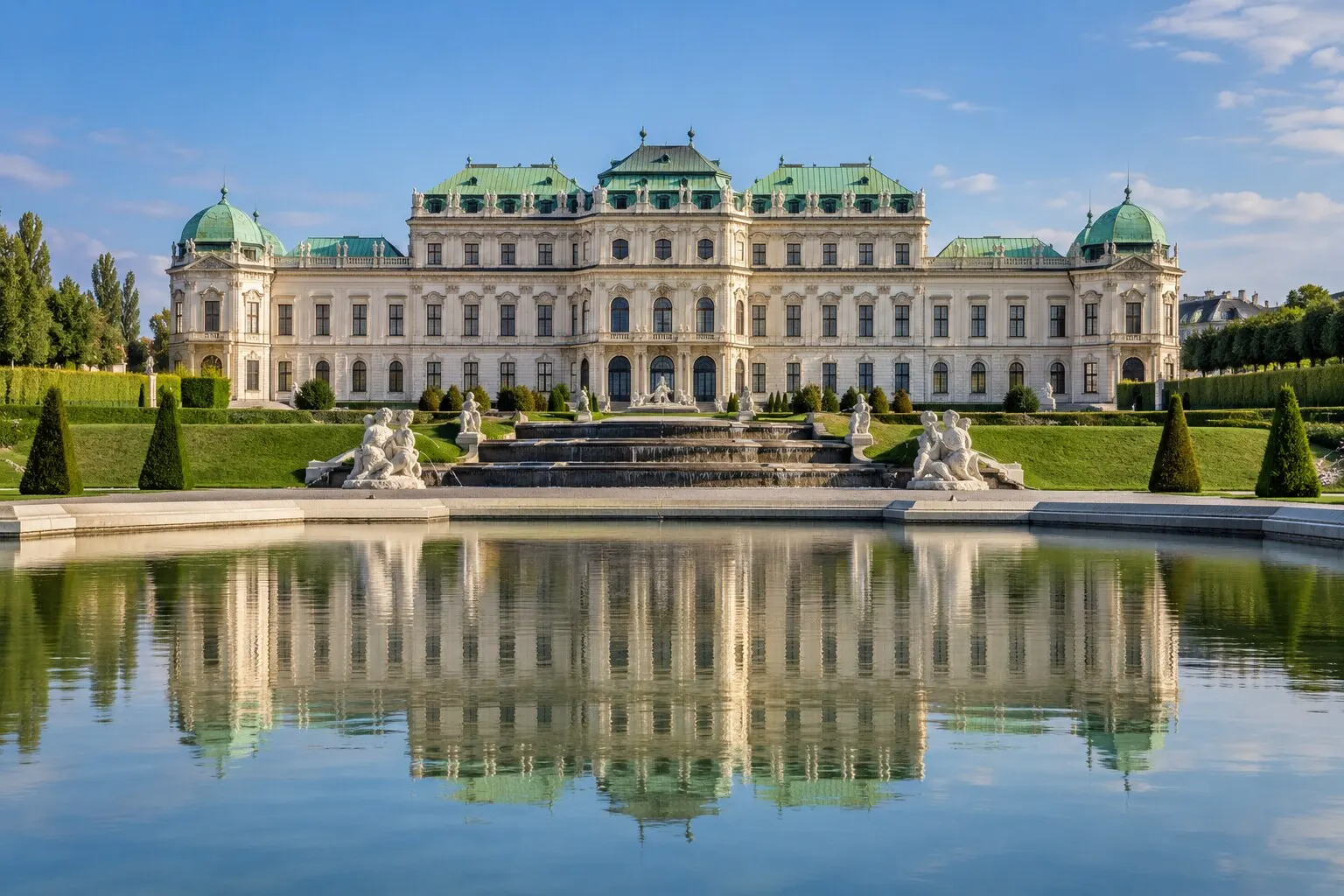
A general built this, not an emperor.
Prince Eugene of Savoy was turned down by the French army for being too small and too frail. He went to Vienna instead, broke the Ottoman siege, took Belgrade, and became the richest man in the empire. Then he built two palaces on a slope and put a garden between them so that visitors climbing from the lower one would see the upper one grow above them, step by step. It worked. It still works.
Inside the upper palace hangs the painting you already know. Klimt finished The Kiss in 1908 and the Austrian state bought it before the paint was dry — the first time a public collection in Vienna had spent that kind of money on a living artist, and the newspapers were not kind about it.
- Time to allow: 2 hours
- Hours: 09:00–18:00 (open daily)
- Address: Prinz-Eugen-Straße 27, 1030 Vienna
- Nearest transport: Schloss Belvedere · tram D · 2 min walk (D · 71)
- Localada perk: 5% OFF – Upper Belvedere entry with the permanent collection — book below
- Upper Belvedere holds the Klimt collection including The Kiss; Lower Belvedere hosts temporary exhibitions on a separate ticket. The garden between them is open to walk through. Bags larger than A4 go in the cloakroom.
Local tips
- Enter at the lower gate and walk up — the palace was designed to be approached that way.
- The Kiss is in a small room on the first floor and has a queue; go there first, then double back.
- The Marble Hall and its view over the city are free of the crowd standing in front of Klimt.
- Thursday and Friday mornings are the thinnest.
- The garden alone is worth twenty minutes even if you skip the art.
The Kunsthistorisches Museum
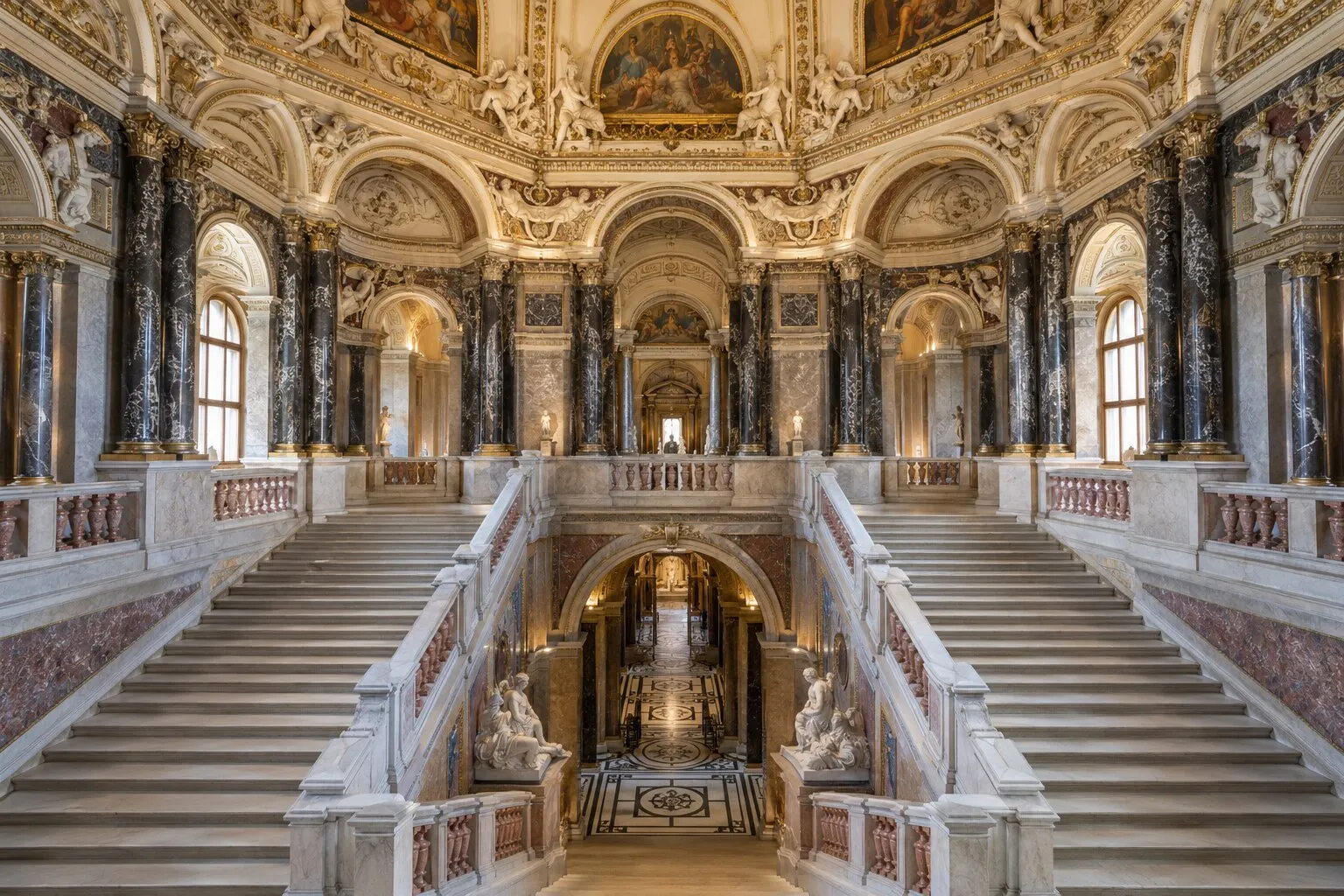
This collection was not assembled. It was inherited.
For four hundred years the Habsburgs bought art the way other families buy land, and because they ruled Spain, the Netherlands, Bohemia and half of Italy at various points, the buying was done across a continent. By the 1800s the pictures were scattered through palaces with nowhere to show them. Franz Joseph built this to hold them, and had a twin built across the square for the natural history collection, so the two buildings face each other like a matched pair of bookends.
The Bruegel room is the reason most people come. Twelve paintings — about a third of everything he ever made that survives — hang in one room, including the Hunters in the Snow that you have seen on a hundred book covers.
- Time to allow: 2–3 hours
- Hours: 10:00–18:00 (closed Monday)
- Address: Maria-Theresien-Platz, 1010 Vienna
- Nearest transport: Museumsquartier · U2 · 3 min walk (U2 · U3 · 1 · 2 · D)
- Localada perk: 5% OFF – Day admission ticket with skip-the-line entry — book below
- Closed on Mondays except in summer; open late on Thursdays. One ticket covers the whole building including the Kunstkammer. Large bags and coats must go in the cloakroom. The Bruegel room can be busy mid-afternoon.
Local tips
- Thursday evening is the best visit of the week — open late and almost empty.
- Go to Bruegel first, then work backwards; everyone else does the opposite.
- The Kunstkammer on the ground floor is the strangest part of the museum and the least visited.
- The café under the dome is worth sitting in even if you do not eat.
- The twin building opposite is natural history, not art — a common mix-up.
The Prater & the Giant Ferris Wheel

The emperor used to hunt here. In 1766 Joseph II opened the woods to everyone, and the aristocracy was furious.
The wheel went up in 1897 for Franz Joseph's golden jubilee, built by an English engineer at a moment when half of Europe was putting up iron wheels to answer the Eiffel Tower. Almost all of them were scrapped. This one survived because a demolition permit expired and nobody renewed it.
Then it burned in 1945. When they rebuilt it they could only afford half the carriages, so where thirty once hung there are now fifteen, spaced wide apart. That gap is the reason the silhouette looks the way it does — an accident of postwar budgeting that became the symbol of the city.
- Time to allow: 1–2 hours
- Hours: 10:00–22:00 (open daily)
- Address: Riesenradplatz 1, 1020 Vienna
- Nearest transport: Praterstern · U1 · U2 · 5 min walk (U1 · U2 · 1)
- Localada perk: 5% OFF – Skip-the-cashier-line ride on the Giant Ferris Wheel — book below
- The fairground itself has no entrance gate; individual rides and the wheel are ticketed separately. The wheel turns slowly and one full rotation takes about 15 minutes. Most rides run March to October; the wheel runs all year.
Local tips
- Ride at dusk — the city lights come on halfway round.
- The queue at the cash desk is the slow part; a timed ticket skips it.
- The sausage stand under the wheel has been there longer than most of the rides.
- Walk ten minutes into the Hauptallee for the part of the Prater that locals actually use.
- The wheel is a short walk from Praterstern station, which is well signposted.
The Albertina

You are standing on the last surviving section of Vienna's city wall. The palace was built on top of the bastion, which is why you climb a ramp to reach the door.
Inside is the largest print collection in the world: around a million prints and 65,000 drawings, started by a duke who married Maria Theresa's favourite daughter and spent fifty years buying paper.
The most famous sheet is Dürer's Young Hare, painted in 1502. You will almost certainly not see it. Watercolour on paper fades under light, so it comes out for a few weeks every decade or so and spends the rest of its life in a dark drawer. What hangs in its place is a facsimile, clearly labelled, and people still queue for it.
- Time to allow: 1–2 hours
- Hours: 10:00–18:00 (open daily)
- Address: Albertinaplatz 1, 1010 Vienna
- Nearest transport: Karlsplatz · U1 · U2 · U4 · 4 min walk (U1 · U2 · U4 · 1 · 2 · D)
- Localada perk: 5% OFF – Tickets for the current Albertina exhibitions — book below
- One ticket covers the temporary exhibitions, the modern collection and the Habsburg state rooms. Dürer originals are shown only rarely for conservation reasons. Open late on Wednesdays and Fridays. Bags go in the cloakroom.
Local tips
- Do the state rooms first — almost everyone skips them and they are the best part.
- The terrace at the top of the ramp is the finest free view of the Opera House.
- Wednesday and Friday evenings run late and are near-empty.
- If you want the Dürer original, check what is on display before you pay — it is usually in storage.
- The Opera House next door runs its own guided tours, bookable at its own box office.
Where to eat: verified local picks
Gasthaus Pöschl
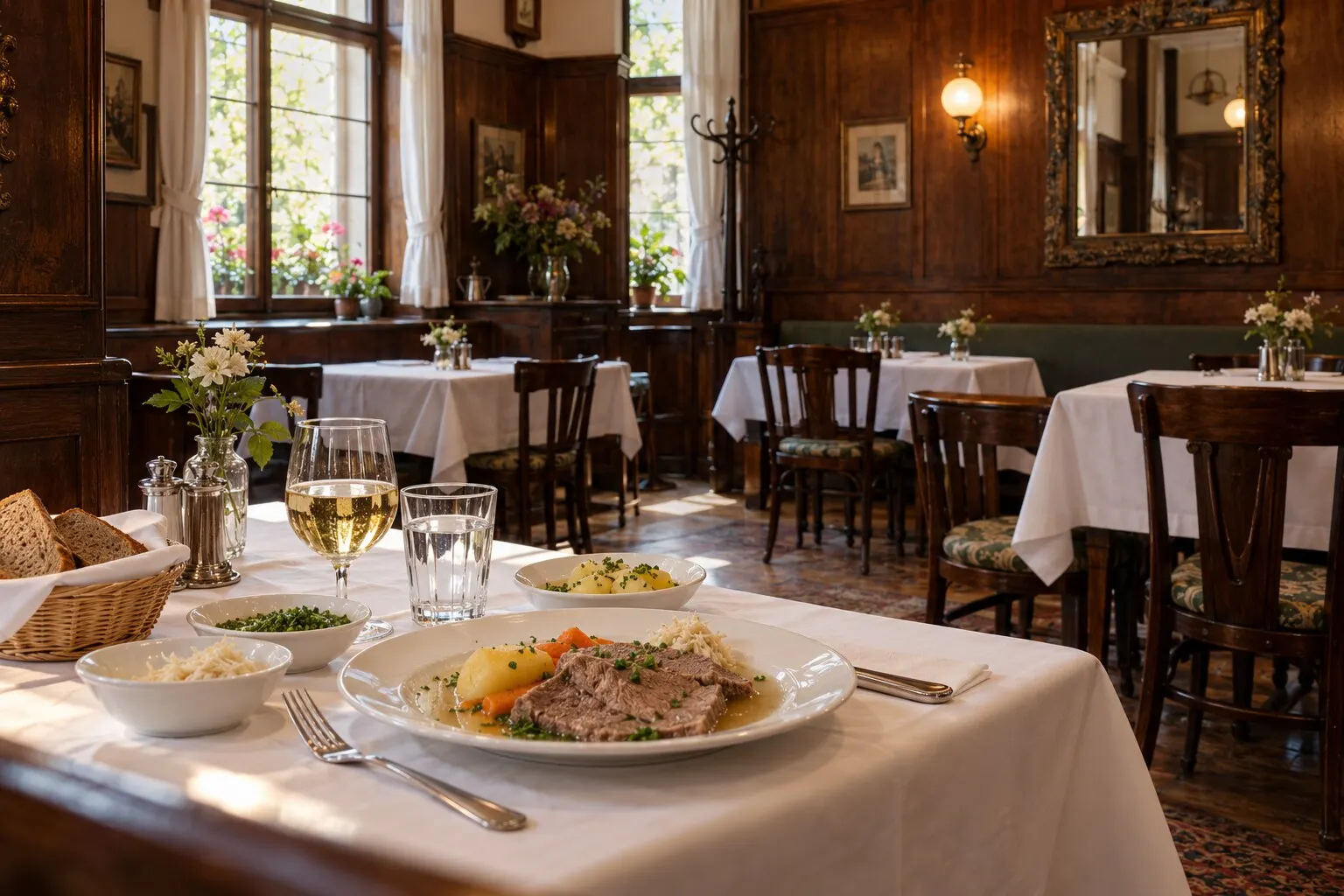
Eight tables, wood panelling, a handwritten card that changes with what came in that morning.
Pöschl is a Beisl — the Viennese word for a small neighbourhood inn, somewhere between a pub and a dining room — and it is the kind locals still use rather than the kind rebuilt for visitors. It sits on a quiet lane two minutes from the cathedral and fills with people from the surrounding offices at one o'clock.
The cooking is Viennese without apology: Tafelspitz, boiled beef with horseradish and chive sauce; Beuschel, a lung-and-heart ragout that sounds alarming and is one of the best things in the city; blood sausage; dumplings. The schnitzel is good and is not the point.
- Hours: 12:00–23:00 (closed Sunday)
- Address: Weihburggasse 17, 1010 Vienna
- Nearest transport: Stephansplatz · U1 · U3 · 4 min walk (U1 · U3)
- Very small — eight tables, and lunchtime fills with office regulars. Booking is advised, especially in the evening. Closed on Sundays. The daily card is handwritten in German; the staff will translate it.
Local tips
- Book ahead or arrive before noon — there is almost no room to wait inside.
- Ask what is on the handwritten card before you look at the printed menu.
- Beuschel is the dish to order if you want the real thing.
- Cash is still preferred here, though cards are taken.
- Two minutes from the cathedral but on a lane most visitors walk straight past.
Café Sperl

Opened 1880, and the furniture has not been replaced since.
Sperl is the Viennese coffee house with the least done to it: bentwood chairs worn pale at the arms, scuffed parquet, two billiard tables still in use, mirrors going slightly silver at the edges, and newspapers on wooden rods by the door. The painters and architects of the Secession drank here; so did half the Austrian general staff before 1914.
The rule of the house is the rule of all of them — one coffee buys you the table for as long as you want it. Nobody will hurry you. A glass of water comes with the cup and is refilled without asking.
Order the Sperl Torte, almond and chocolate, made here. Or the goulash, which is better than it has any need to be.
- Hours: 07:00–22:00 (open daily)
- Address: Gumpendorfer Straße 11, 1060 Vienna
- Nearest transport: Museumsquartier · U2 · 6 min walk (U2 · U4)
- A working coffee house rather than a restaurant — cake, breakfast and a short hot menu. The billiard tables are in use and chargeable by the hour. Service is unhurried by design. Cash is welcome; cards are accepted.
Local tips
- One coffee holds the table all afternoon — that is the custom, not a loophole.
- Sit in the back room by the billiard tables where the light is best.
- Breakfast runs late into the morning and is the quietest time.
- The newspapers on the wooden rods are free to take to your table.
- It is a 10-minute walk from the Naschmarkt, which pairs well either side of lunch.
Shops: verified local picks
Altmann & Kühne

The shopfront on the Graben was designed in 1932 by Josef Hoffmann, the architect of the Wiener Werkstatte, and nothing about it has been modernised since.
Inside they make miniature chocolates — very small, filled, hand-dipped — and sell them in boxes that are the real reason people come. The boxes are built as tiny chests of drawers, miniature books, little hat boxes, covered in marbled and block-printed paper designed by the Werkstatte's own artists. Children's writer Erich Kästner used to send them as presents.
It is a small shop and often has a short queue of people deciding slowly, which is the correct way to shop here.
Buy the drawer box. The chocolates are good. The box is the souvenir.
- Hours: 10:00–18:00 (closed Sunday)
- Address: Graben 30, 1010 Vienna
- Nearest transport: Stephansplatz · U1 · U3 · 3 min walk (U1 · U3)
- Small shop on the Graben with a short queue at busy hours. Chocolates are sold loose by weight or in the printed presentation boxes. Closed on Sundays. The boxes travel well but the chocolate does not like heat.
Local tips
- The miniature chest-of-drawers box is the one to buy — it outlives the chocolate.
- Loose by weight is cheaper than the boxes if you only want to taste.
- Saturday late morning is the busiest half hour of the week.
- Ask them to pack it for travel if you are flying — they do it properly.
- It is 200 metres from the cathedral, on the pedestrian Graben.
Gegenbauer
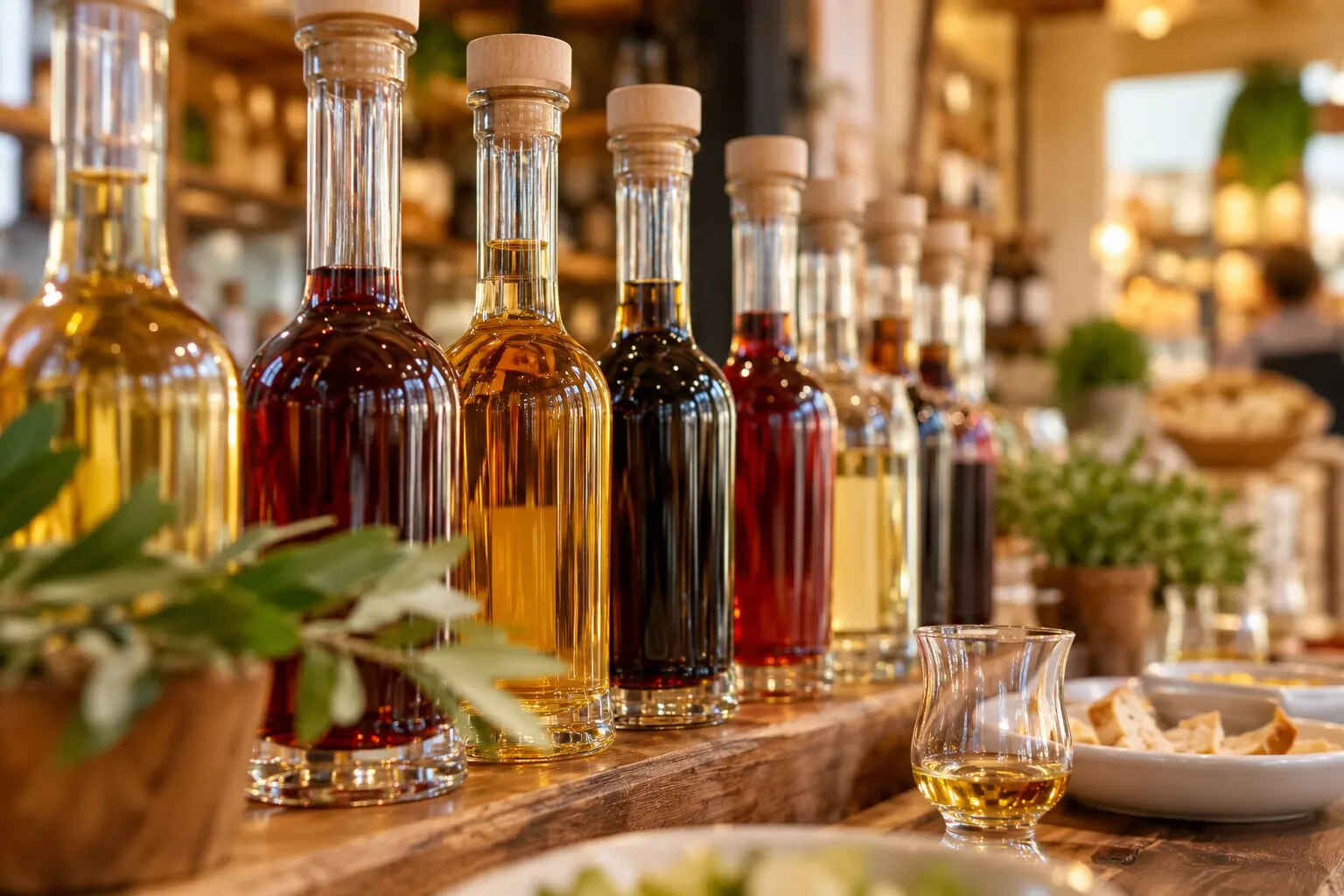
A vinegar shop does not sound like a destination. This one is.
The family has been making vinegar in Vienna since 1929, and the third generation turned it into something closer to a laboratory: vinegars from quince, elderflower, tomato, beer, asparagus, cucumber, each fermented slowly in small batches and aged for years. Some of the best kitchens in Europe order from here, and they are not the sort of kitchens that order by catalogue.
The stand sits in the Naschmarkt, Vienna's long market street, among the spice stalls and the cheese counters.
They will let you taste from a small glass. Do it — a good vinegar tastes of the fruit first and only then of the acid, and most people have never had one.
- Hours: 09:00–18:30 (closed Sunday)
- Address: Naschmarkt stand 111–114, 1060 Vienna
- Nearest transport: Kettenbrückengasse · U4 · 2 min walk (U4 · U1 · U2)
- A market stand in the Naschmarkt, not a shop with a door. Tasting is normal and free. Closed on Sundays and on public holidays with the rest of the market. Bottles are glass and need packing for a flight.
Local tips
- Taste before you buy — they expect it, and the quince and elderflower surprise most people.
- Small bottles exist and travel far better than the large ones.
- The surrounding Naschmarkt stalls are at their calmest before 11am.
- Avoid the restaurant row at the market's eastern end — it is the tourist part.
- Closed Sundays, like the whole market.
Experiences and activities
Vivaldi's Four Seasons in the Karlskirche
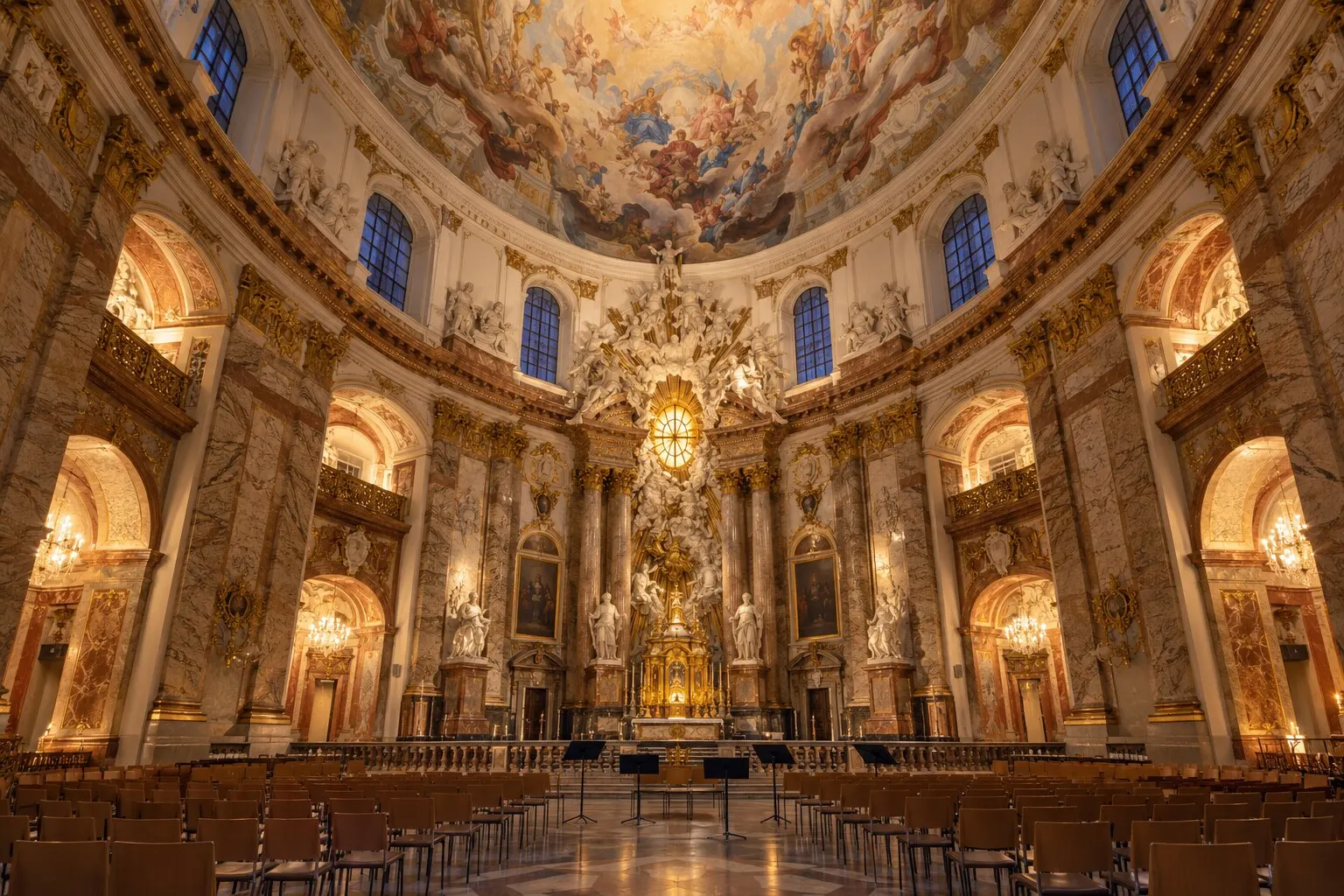
The church was a promise. Plague swept Vienna in 1713 and Charles VI swore that if it lifted he would build a church to the saint who had nursed plague victims in Milan. It lifted. He built this.
The architect wrapped a Greek temple portico around a baroque dome and flanked it with two columns copied from Trajan's in Rome — a mixture that made no sense to anyone at the time and has looked inevitable ever since.
The Four Seasons is played here by a small ensemble in period costume, under that dome, with the frescoes lit above you. The acoustic is a church acoustic, not a concert hall one: slower, wetter, with the violins hanging in the air a beat longer than you expect.
- Time to allow: 1–2 hours
- Hours: 09:00–21:00 (open daily)
- Address: Karlsplatz 1, 1040 Vienna
- Nearest transport: Karlsplatz · U1 · U2 · U4 · 3 min walk (U1 · U2 · U4 · 1 · 62)
- Localada perk: 5% OFF – Vivaldi's Four Seasons concert in the Karlskirche — book below
- Concerts are in the evening and seating is by category; the front rows face the ensemble directly. Doors open roughly 30 minutes before. The church is a working church and the panoramic lift to the dome runs during daytime hours only.
Local tips
- Book the middle categories — the sound under the dome is even and the back rows still hear it well.
- Arrive early enough to look at the dome frescoes before the lights come down.
- The church is cool even in August; bring a layer.
- Karlsplatz station is a large interchange — follow the Karlskirche exit signs.
- The reflecting pool outside is the best photograph of the building, before or after.
Light of Creation at the Votivkirche
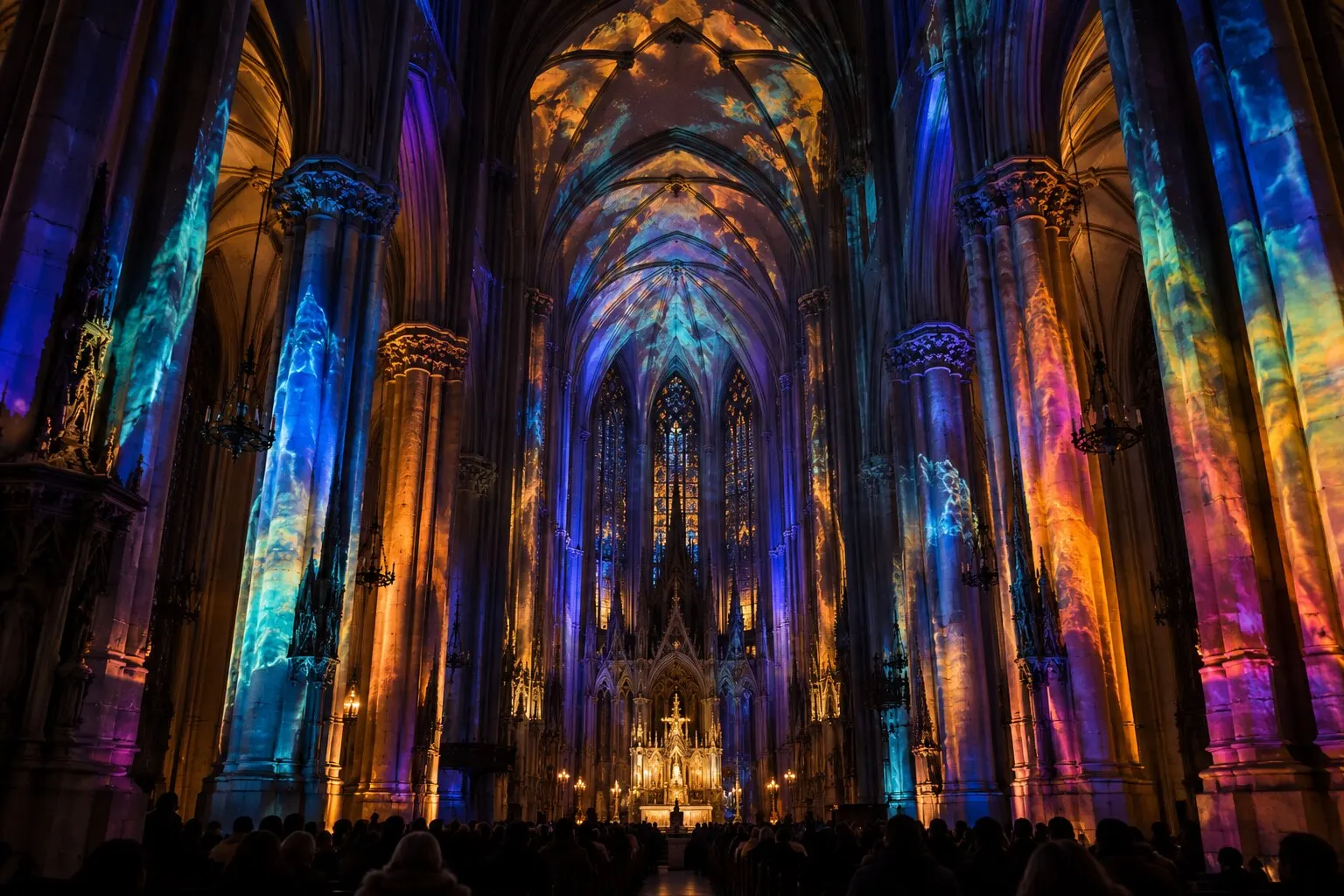
In 1853 a Hungarian tailor stabbed the young emperor in the neck on a city rampart. The blade caught his collar stiffener. Franz Joseph survived, and his brother raised money across the empire to build a church in thanks — a votive church, which is what the name means.
It went up on the new Ringstrasse in white sandstone with twin spires, and it has been quietly crumbling and being repaired ever since.
What happens inside now is not a service. Projectors throw moving light across the full height of the nave, the columns and the vault, with a score underneath it, and the building becomes the screen. Thirty minutes, no seats to find, no dress code, and the architecture does most of the work.
- Time to allow: 1 hour
- Hours: 10:00–21:00 (open daily)
- Address: Rooseveltplatz 8, 1090 Vienna
- Nearest transport: Schottentor · U2 · at the door (U2 · 1 · D · 71)
- Localada perk: 5% OFF – Light of Creation immersive show at the Votivkirche — book below
- Shows run on a fixed timetable through the day and evening; the building is a working church and some slots are blocked for services. The nave is cool and the show is viewed standing or from the pews. Doors close once a show starts.
Local tips
- Later slots are better — the darker it is outside, the stronger the projection.
- Stand near the crossing rather than at the back for the full height of the vault.
- It is cold inside whatever the weather; take a jacket.
- Schottentor station sits directly in front of the church.
- Walk round the outside afterwards — the stonework detail is easy to miss on the way in.
Classical Concert at the Musikverein

The Golden Hall was finished in 1870, and nobody who built it knew why it would sound the way it does.
It is a shoebox: a long rectangle, high ceiling, wooden floor over a hollow cavity, plaster caryatids down both walls. The architect was working from instinct, not acoustics — the science did not exist yet. The result is a room that conductors still describe as the best in the world, and that every modern hall has tried and failed to copy exactly.
This is where the New Year's Concert is broadcast from every first of January, to something like fifty million people.
The gold is real, the seats are tight, and the orchestra is close enough that you can hear the bows leave the strings.
- Time to allow: 2 hours
- Hours: 09:00–20:00 (open daily)
- Address: Musikvereinsplatz 1, 1010 Vienna
- Nearest transport: Karlsplatz · U1 · U2 · U4 · 2 min walk (U1 · U2 · U4 · 1 · 2 · D)
- Localada perk: 5% OFF – Classical concert in the Musikverein — book below
- Concerts are in the evening; seating categories differ in view more than in sound, since the hall carries evenly. Doors open about 45 minutes before. Smart casual is normal — formal dress is not required.
Local tips
- Even the cheaper seats hear it properly — this hall has no bad acoustics, only bad sightlines.
- Get there early and walk the foyer; the building is part of the evening.
- The balcony gives you the gold ceiling, the stalls give you the players.
- Karlsplatz station is two minutes away through the underpass.
- No photography once the music starts, and Viennese audiences are strict about it.
The Spanish Riding School
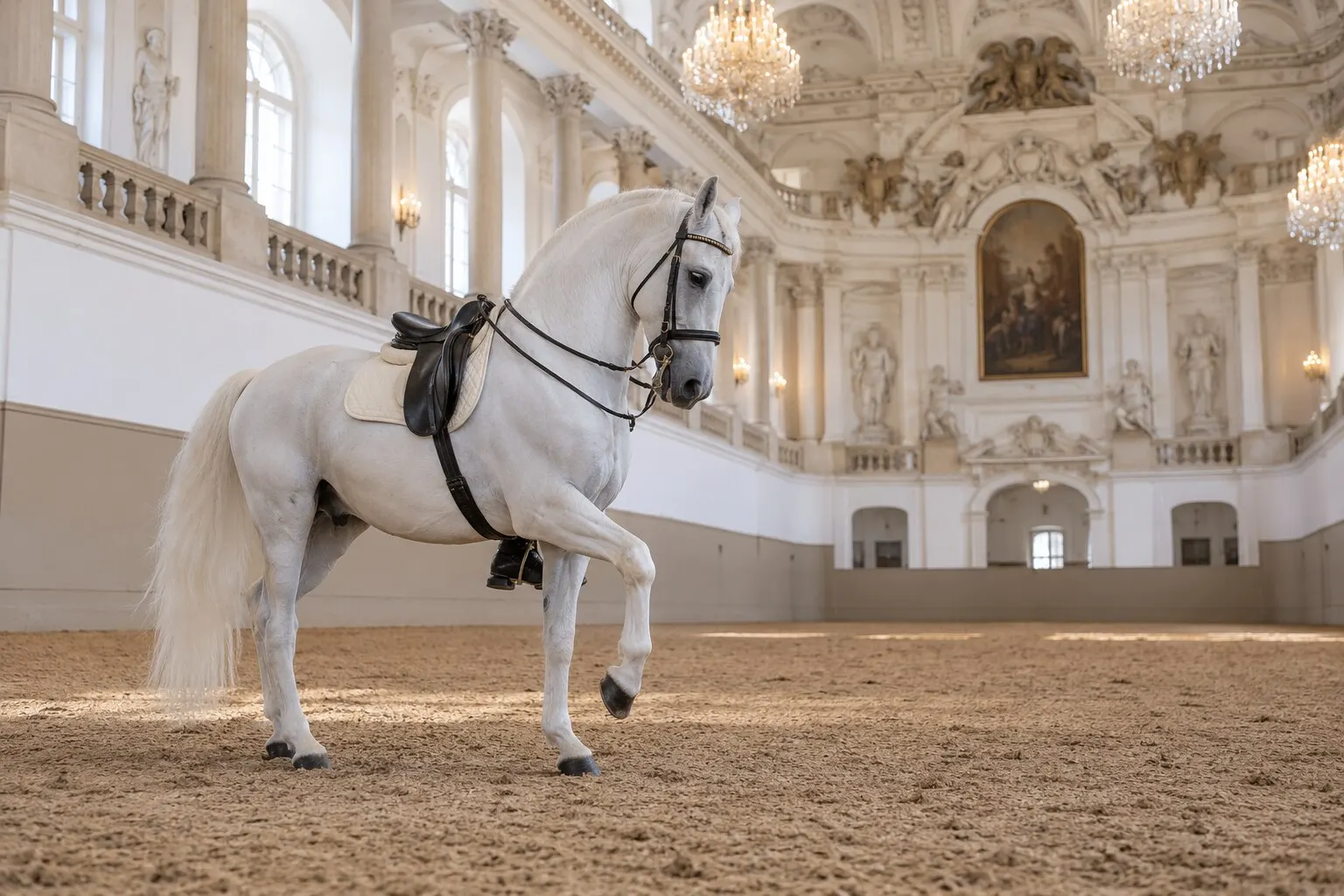
The horses are born black or brown and turn white somewhere between the ages of six and ten. Nobody can tell you exactly when it will happen to any one of them.
The school has trained Lipizzaners in the same hall since 1735, in a white baroque riding arena inside the Hofburg with a gallery running round it and a portrait of Charles VI on horseback at one end. Riders still salute it before they begin.
The movements they perform — the leaps, the levade, the whole airs-above-the-ground repertoire — were cavalry manoeuvres once, developed to let a horse strike at infantry and get clear. There has been no use for them in battle for three hundred years, and they have been kept alive anyway, one generation of riders teaching the next.
- Time to allow: 1–2 hours
- Hours: 09:00–16:00 (closed Monday)
- Address: Michaelerplatz 1, 1010 Vienna
- Nearest transport: Herrengasse · U3 · 3 min walk (U3 · 1 · 2 · D)
- Localada perk: 5% OFF – Performance of the Lipizzaner stallions — book below
- Full performances and the shorter morning exercise sessions are different tickets on different days. The hall has no air conditioning. Photography is not allowed during performances. Programmes vary by season and the horses rest in summer.
Local tips
- Morning exercise is cheaper, less formal and the horses are closer to you.
- The standing gallery has the best sightline down the long side of the arena.
- Arrive 20 minutes early — entry is through the Hofburg courtyards and takes a while to find.
- The stables tour is sold separately and is where you actually meet a Lipizzaner.
- Summer weeks are often dark; check the calendar before planning a day around it.
Chocolate Workshop at the Chocolate Museum
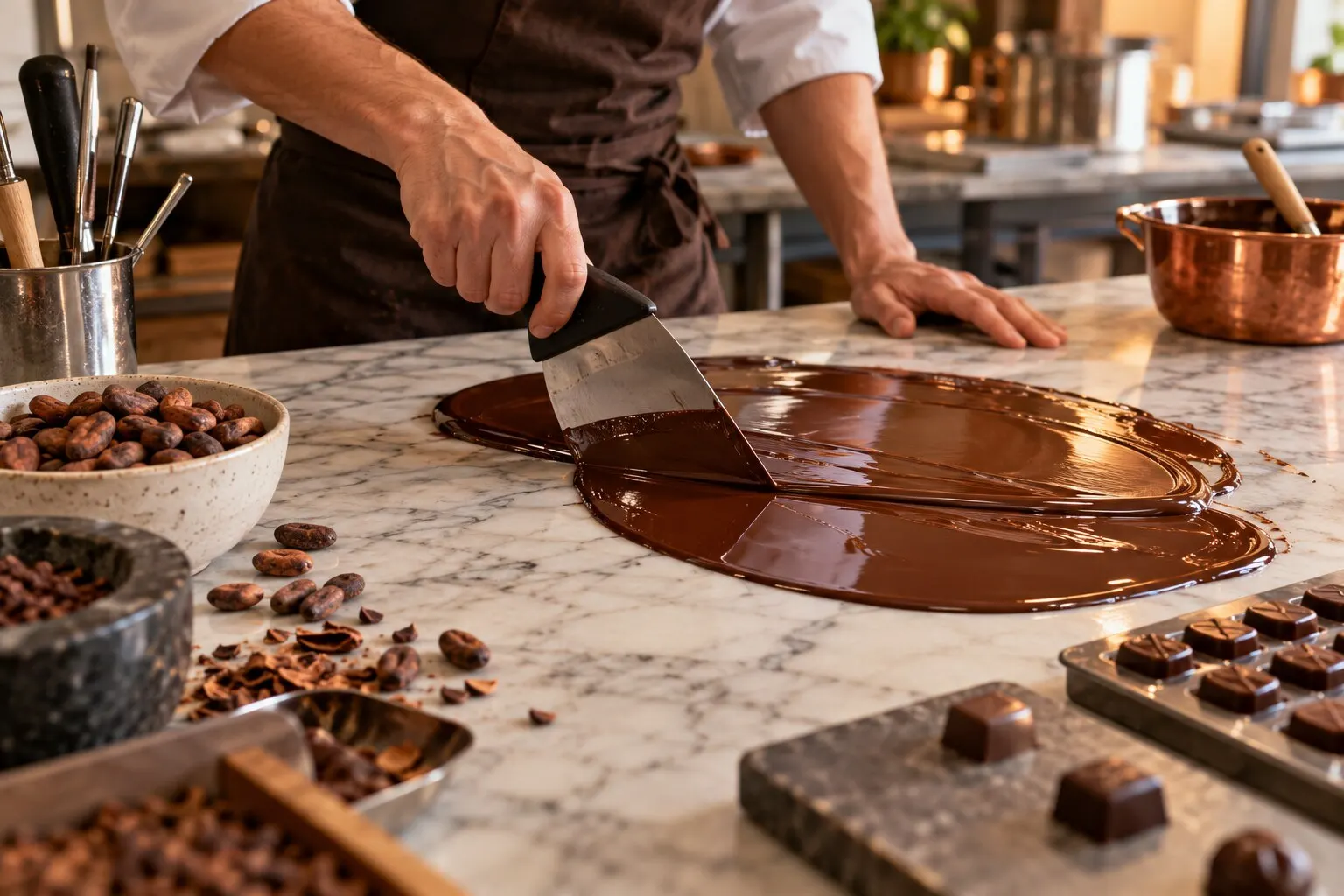
Vienna did not invent chocolate, but it did decide what to do with it.
The Sachertorte argument alone ran through the courts for seven years in the 1950s, two houses fighting over who could put the word on a cake. The city still takes the question seriously.
This is the hands-on version. You see the bean, you smell it roasted, you watch it go from something that tastes like bitter wood to something you recognise, and then you make and temper your own bar and take it away. The tasting runs through single-origin chocolate the way a wine tasting runs through vineyards — same plant, different soil, completely different flavour.
It sits at the foot of the Ferris wheel, so it pairs with the Prater without a journey in between.
- Time to allow: 1–2 hours
- Hours: 10:00–19:00 (open daily)
- Address: Riesenradplatz 5, 1020 Vienna
- Nearest transport: Praterstern · U1 · U2 · 5 min walk (U1 · U2 · 1)
- Localada perk: 5% OFF – Chocolate workshop with tasting — book below
- Workshops run at fixed times and last about an hour; the museum exhibition can be visited separately. You take home the bar you make. Tastings include milk and dark varieties — tell the host in advance about nut or dairy allergies.
Local tips
- Book a slot before you go — workshops fill, the museum alone rarely does.
- It is at the foot of the Ferris wheel, so do the two together and save a trip.
- Good on a rainy afternoon when the Prater rides are miserable.
- The bar you temper needs 20 minutes to set before you can carry it off.
- Children are welcome and it is one of the few Vienna stops where that is simply true.
Vienna audio guide: frequently asked questions
Is the Vienna audio guide free?
Yes. Localada’s Vienna guide is free: create a free account and open it in your browser, no app download needed. It includes 16 stops, audio and written stories, a route map and scam-awareness tips. Tickets for paid sights are bought separately; booking through Localada’s GetYourGuide links gives 5% off.
How many stops are in the Vienna audio guide?
There are 16 stops: 7 sights, 2 places to eat, 2 shops and 5 experiences.
How long does it take to see the main sights in Vienna?
Visiting all 7 sights in the guide takes about 11–17 hours, not counting travel between them. Schönbrunn Palace & Gardens needs the most time (allow 2–3 hours).
Which Vienna sights are closed on certain days?
1 of the 7 sights have a weekly closing day: The Kunsthistorisches Museum (closed Monday). Plan these for another day of the week.
What time do Vienna sights open and close?
The earliest opening in the guide is 09:00 (Schönbrunn Palace & Gardens) and the latest closing is 22:00 (The Prater & the Giant Ferris Wheel). Each stop’s hours are in the table above.
Are there discounts with the Vienna guide?
12 stops include a Localada perk, for example Schönbrunn Palace & Gardens (5% OFF), St Stephen's Cathedral (5% OFF), The Hofburg & the Sisi Museum (5% OFF), The Belvedere (5% OFF), The Kunsthistorisches Museum (5% OFF) and The Prater & the Giant Ferris Wheel (5% OFF). Show the code in the guide at verified restaurants and shops; ticket discounts are applied at GetYourGuide checkout.
What can I do in Vienna on a rainy day?
10 stops in the guide are indoors, including Schönbrunn Palace & Gardens, St Stephen's Cathedral, The Hofburg & the Sisi Museum, The Belvedere, The Kunsthistorisches Museum and The Albertina.
What is open in the evening in Vienna?
These stops in the guide stay open late: The Prater & the Giant Ferris Wheel (until 22:00), Vivaldi's Four Seasons in the Karlskirche (until 21:00), Light of Creation at the Votivkirche (until 21:00), Gasthaus Pöschl (until 23:00) and Café Sperl (until 22:00).
How do I get between the stops in Vienna?
The Vienna stops are spread across the city, so the guide lists the nearest metro, tram or train station for each one.
Which languages is the Vienna audio guide available in?
Narration and text are available in 15 languages: English, Turkish, German, French, Spanish, Italian, Portuguese, Dutch, Polish, Russian, Arabic, Persian, Chinese, Japanese and Korean.