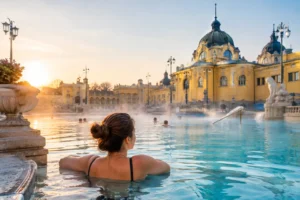
















A good Istanbul hammam experience review should say this plainly: a traditional bath can be one of the most relaxing things you do in the city, but it is not a silent hotel-spa treatment. Expect heat, water, a firm exfoliating scrub, and close personal service from an attendant. Choose the right hammam for your comfort level and book directly, and it is a memorable, straightforward experience.
Visit Essentials
Plan 60 to 90 minutes for a classic wash, scrub, foam massage, and time to cool down. Add time if you want an oil massage afterward. Most historic hammams provide a pestemal, the thin cotton wrap used in the bath, but bring a swimsuit if it will make you more comfortable – especially at venues that welcome couples or families.
There is no citywide hammam closing day. In and around the Old City, several well-known options operate daily: Hurrem Sultan Hamamı, beside Hagia Sophia, generally opens from 8:00 a.m. to 10:00 p.m. and is about a 2-minute walk from Sultanahmet on the T1 tram line. Cağaloğlu Hamamı is generally open 9:00 a.m. to 10:00 p.m. and is around a 6-minute walk from Gülhane on T1. Çemberlitaş Hamamı is close to the Çemberlitaş T1 stop, roughly a 1-minute walk, with long daily opening hours. Confirm the session time with the hammam when reserving, as women’s and men’s sections may operate on different schedules.
Book ahead for late afternoons, weekends, and any session at a hammam with limited capacity. Do not wait until you are standing outside in a towel to ask what is included.
The Traditional Hammam Sequence
You normally begin in a warm changing room, where you receive a locker or changing cabin and a pestemal. Remove your shoes before entering the wet areas. In a traditional same-sex section, people may wear only the wrap; in mixed or couple-friendly facilities, swimwear rules are usually clearer. Follow the house rules rather than assuming every hammam works alike.
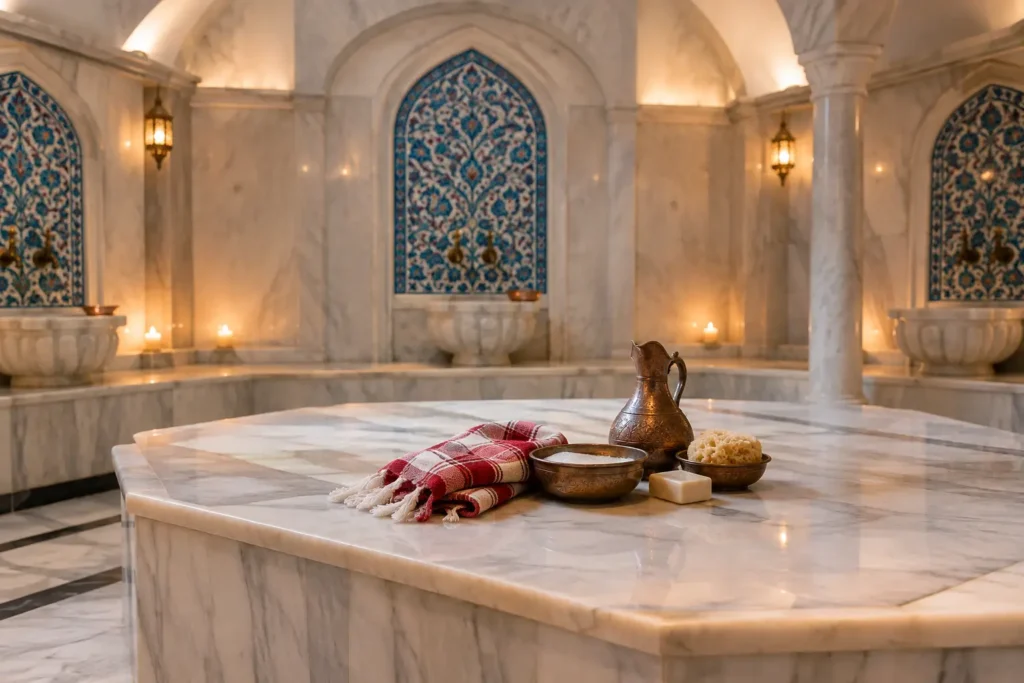
The main room is the sıcaklık, a heated marble chamber centered on a raised heated platform called the göbek taşı. You sit or lie down and let the heat do its work first. For many first-time visitors, 10 to 15 minutes is enough before the scrub begins. If you feel dizzy, overheated, or uncomfortable, step out and tell the attendant. There is no prize for staying longer.
Next comes the kese, an exfoliation with a textured mitt. It is more vigorous than a typical body scrub. You may be surprised by how much dead skin comes away, but that is the point. The attendant then rinses you with warm water and creates thick soap bubbles in a cloth bag for the foam wash and massage.
A classic hammam treatment is practical rather than delicate. The attendant works quickly and confidently, pours water from metal bowls, and may stretch your arms or shoulders. Tell them immediately if the pressure is too firm, if you have a recent injury, or if you prefer them to avoid an area. Clear, simple communication is normal and welcome.
Traditional Bathhouses and Hotel Spas
The biggest choice is not whether a hammam is “good” or “bad.” It is whether you want a historic public-bath atmosphere or a spa-style version of the ritual.
A historic hammam often has the stronger sense of place: high domes, marble basins, separate areas for women and men, and a treatment that follows the traditional sequence. The trade-off is that it can feel less private, more functional, and busier at peak times. Some older buildings also involve steps and wet marble floors, which matters for travelers with limited mobility.
A hotel or modern spa hammam is usually more private and more familiar to travelers who want a quieter setting. Attendants may speak more English, changing spaces may feel more polished, and treatments may be customizable. The trade-off is that the architecture and communal bath culture may be less central to the experience.
Couples should pay particular attention to the booking description. Traditional hammams commonly separate women and men, even if both sections are in the same building. Some venues offer private rooms or couple sessions, but do not assume they do. Booking a couple treatment at a place that only has gender-separated bathing is a common planning mistake, not a problem with the hammam itself.
What to Wear and Bring
A pestemal is the usual covering. Women may keep underwear or a bikini bottom on if they prefer, and men commonly wear the wrap alone or with swimwear underneath depending on the venue. In shared traditional spaces, choose whatever lets you relax while respecting the bathhouse rules.
Leave jewelry, watches, contact-lens cases, and valuables in your hotel when possible. Marble floors are wet, steam can fog devices, and lockers are for convenience rather than for carrying everything you own. Tie up long hair and avoid visiting immediately after shaving or waxing, since the kese can sting on sensitive skin.
Bring a change of underwear and, if you have long hair, a hair tie. Most hammams provide towels, soap, and basic washing supplies, but inclusions differ. Ask before arrival whether the package includes the kese, foam wash, towel, locker, and any additional massage. “Hammam” alone does not always mean the full ritual.
Booking and Payment Clarity
Reserve through the hammam’s own reception or official booking channel when possible. Before confirming, get four details in writing: the exact treatment, the expected duration, whether the session is private or shared, and what extras are optional. This prevents the awkward moment when a basic wash becomes a chain of unexpected offers.
Be cautious with people outside major sights who insist that a particular bath is “closed,” “full,” or available only through them. That does not mean the hammam is unsafe or that every street recommendation is dishonest. It simply means you should verify with the establishment directly before changing your plan. The same applies to drivers who offer to take you to a “better” bathhouse far from where you intended to go.
Tipping is customary for attentive service, but it should feel voluntary. Ask the reception how gratuities are handled before you start if that will help you avoid uncertainty. Do not feel pressured into a treatment you did not book. A polite “No, thank you, just the hammam treatment” is enough.
Comfort, Health, and Etiquette
Drink water before and after your visit. Heat, steam, and repeated warm-water rinses can leave you tired, particularly after a long flight or a full day walking around Sultanahmet. Avoid a hammam if you are feeling unwell, dehydrated, or have an open cut, contagious skin condition, or health concern aggravated by heat. If you are pregnant or managing a medical condition, ask a clinician what is appropriate for you before booking.
Photography belongs in neither the hot room nor the treatment area. Other guests expect privacy, and many hammams prohibit phones in wet sections entirely. Keep your voice low, follow the attendant’s directions, and wear the provided slippers where required. These small habits make the experience easier for everyone.
For immediate emergencies in Türkiye, call 112. The police number is 155, fire is 110, and the coastguard is 158. For a minor concern at a hammam, speak to reception first; staff are used to helping travelers with practical issues such as a forgotten item or a misplaced locker key.
Frequently Asked Questions
Is an Istanbul hammam worth it for first-time visitors?
Yes, but choose it for the traditional wash-and-scrub ritual, not because you expect a quiet Western-style spa day. It is most rewarding when you are comfortable with heat and hands-on service.
Do men and women use the same hammam room?
Usually no. Traditional hammams generally have separate women’s and men’s sections or separate operating times, while selected venues offer private or couple-friendly arrangements.
Should I wear a swimsuit in a hammam?
Yes, if it makes you more comfortable and the venue permits it. A pestemal is standard, but rules differ between traditional and private facilities.
How long does a basic hammam visit take?
About 60 to 90 minutes. Plan longer if you add an oil massage, want time to rest, or visit during a busy period.
Can I book a hammam on the same day?
Sometimes, but late afternoon and weekend appointments fill first. Booking ahead is the safer choice for a specific historic hammam or a couple session.
Is the scrub painful?
Sometimes, especially on sensitive skin or after recent sun exposure, but it should not be unbearable. Tell the attendant at once if you need lighter pressure.
For on-the-ground help, the free Localada Istanbul guide lists each stop’s hours, closing days and how long to allow, with narrated stories in 15 languages, scam warnings and verified local restaurants and shops. Booking tickets through its GetYourGuide links saves 5%.
Sources and official information
Opening hours, prices and rules change. These are the primary sources behind this guide; check them before you go.
- UNESCO World Heritage Centre: Historic Areas of Istanbul: World Heritage listing for the Sultanahmet area, Hagia Sophia, Topkapi Palace and the Blue Mosque.
- UK Foreign Office travel advice: Turkey safety and security: Government guidance on crime, unofficial taxis and drink spiking in Turkey.
- Istanbulkart (Istanbul Metropolitan Municipality): The official transport card used on Istanbul trams, metro, buses and ferries.
- UK Foreign Office travel advice: getting help in Turkey: Confirms 112 as the emergency number for ambulance, fire and police.
Questions answered in this article
Summarise this guide with AI: ChatGPT · Claude · Perplexity